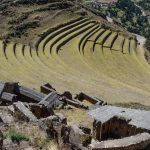

Pisac is a place that combines archaeology, tradition, spirituality, and natural beauty. Pisac is not just a town or a set of Inca ruins: it is a space where the past still breathes in every stone and the present pulsates in the colors of its market, in the voices of its artisans, and in the faith of its communities. Here, visitors not only contemplate history, but also live it, touch it, and savor it in every corner.


Pisac, Sentinel of the Valley
The name Pisac comes from the Quechua word pisaca, meaning partridge, an Andean bird that symbolizes connection with nature. From the top of the mountain, the archaeological complex seems to spread its wings like a condor protecting the Sacred Valley.
Pisac’s location was no coincidence: it was a strategic point that controlled the eastern entrance to the valley, allowed for high-altitude agriculture, and served as a ceremonial center where the Incas connected with the stars and the apus.
Pisac is, at the same time, an agricultural, religious, military, and funerary center, a microcosm of Inca power.
The archaeological complex: a sanctuary in the heights
The Pisac Archaeological Park is one of the most impressive in Cusco. It is divided into several sectors, each with a particular purpose and energy:
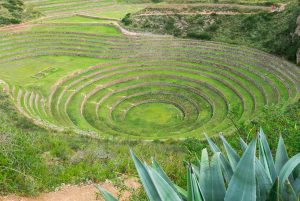
-The terraces: agricultural terraces that cover the mountain like a geometric tapestry. They not only ensured food production but also controlled erosion and channeled rainwater.
-The Temple of the Sun: built with perfectly fitted stone blocks, it was aligned with the movements of the sun. Ceremonies were held here to ensure the fertility of the land and harmony with the cosmos.
-The colcas: ancient food stores distributed in ventilated areas to preserve corn, potatoes, and other essential products.
-The military towers: defense and surveillance points that protected the valley from possible invasions.
-The necropolises: one of the largest in the Andean world, with hundreds of tombs carved into the rock. From there, the Incas ensured that their dead continued to accompany and protect the living.
Walking through Pisac is like exploring a space where each building reflects a holistic worldview: the Incas did not separate the sacred from the everyday, the agricultural from the spiritual. Everything was part of the same universe.
The town and its market: a living tradition
At the foot of the archaeological complex lies the colonial town of Pisac, founded by the Spanish in the 16th century. Its cobblestone streets, church, and adobe houses retain a unique charm that blends Andean and colonial influences.
The main attraction is its artisan market, considered one of the most famous and colorful in Cusco.
There you can find:
-Textiles made on traditional looms, laden with ancestral symbols.
-Ceramics with designs reminiscent of Inca iconography.
-Silverware patiently crafted by local artisans.
-Agricultural products such as fresh fruit, giant corn, and local medicinal herbs.
Visiting the market isn’t just about buying souvenirs: it’s about entering a space for cultural exchange, where travelers connect with the soul of the community.


Spiritual Pisac: The Power of Andean Energy
In addition to its historical and cultural value, Pisac is recognized as a spiritual center. Many travelers come here seeking experiences of connection with Pachamama, the Apus, and the energies of the Sacred Valley.
In its mountains and surrounding areas, the following take place:
-Andean ceremonies of reverence for the earth, where nature is thanked for its gifts.
-Coca readings, an ancient practice for receiving spiritual guidance.
-Retreats and meditative walks allow travelers to connect with the silence and power of nature.
The feeling Pisac conveys is unique: a space where the earthly and the divine meet.


The Legend of the Condor and the Princess
Pisac not only holds history in its stones, but also in its legends.
It is said that Princess Inquill was supposed to marry a brave young man, but a condor, a symbol of celestial power, fell in love with her and abducted her. Seeing her weeping inconsolably, the gods intervened and transformed her into stone to free her from her fate. The condor, eternal guardian of the Andean sky, continued flying over the valley.
They say the archaeological complex is shaped like a bird spreading its wings. Thus, Pisac is also the condor’s nest, a symbol of freedom and connection between the human and divine worlds.

Tips for your visit to Pisac:
📍 Location
Calca Province, Cusco.
33 km from Cusco (45 minutes by car).
🎟️ Admission
-Included in the Cusco Tourist Ticket.
🕒 Recommended time
-Half day