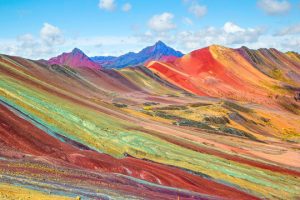

Machu Picchu By Car option also known as the Amazon Route via Hydroelectric is an alternative to the traditional train and bus route, combining road transportation, hiking, highland jungle, and mountain travel.
Instead of relying entirely on the train, the Machu Picchu by car route allows travelers to experience the region’s natural landscapes more closely, visit small Andean and jungle-edge communities, and enjoy sections of light trekking surrounded by incredible scenery.
This overland journey begins in Cusco and continues through the intermediate areas of Santa María and Santa Teresa, before reaching the Hydroelectric Station, a key point on the route to the Inca citadel.
From there, adventurers hike along the train tracks or take accessible forest trails that lead to Aguas Calientes, the base town for visiting Machu Picchu.

Nature, Landscape, and Biodiversity
One of the greatest strengths of this route is the contact with the flora and fauna of the high Andean forest/jungle edge. Aspects worth highlighting in your blog:
Vegetation: giant ferns, bromeliads, bamboo, tropical fruit trees (e.g., banana, avocado), wild orchids. The presence of varied flora as you descend from the mountains into the jungle, with evident changes in vegetation, climate, and humidity.
Fauna: birdwatching (hummingbirds, cock-of-the-rocks), butterflies of various colors, small wild animals, and the possibility of monkeys in some tropical forest sections. In areas near the river, there are sounds of water, a humid environment, and dense vegetation.


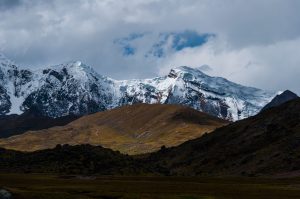
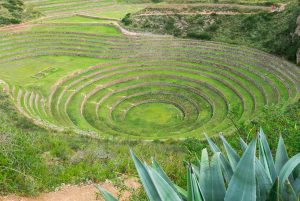
Landscapes: views of snow-capped mountains in the background, climatic transition zones, rivers, cloud forest areas, waterfalls, and streams. Along the road, you can see local crops, traditional villages, agricultural terraces, Quechua communities, and a rural atmosphere.
Culture, communities, and firsthand experiences
This route isn’t just about nature; it also offers cultural encounters that greatly enrich the experience:
Local communities: small towns like Santa María and Santa Teresa. Quechua or mestizo people who preserve agricultural, weaving, and local food traditions. You’ll see how they live, what they grow, local markets, and the presence of gardens and farms.
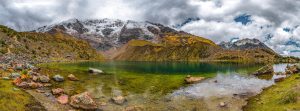
Cocalmayo hot springs: One of the attractions before or after the trek is to visit natural hot springs like Cocalmayo, which allow you to relax surrounded by nature. Ideal for regaining strength and enjoying the surroundings.
Cocalmayo is surrounded by mountains covered in tropical vegetation, crystal-clear rivers, and a warm, humid atmosphere, very different from the cold climate of Cusco.
It is an area that marks the transition between the Andes and the Amazon: the so-called “eyebrow of the jungle,” with impressive biodiversity and a relaxing landscape.
During the day, visitors enjoy the radiant sunshine, and at night, the clear sky offers a spectacle of stars, making bathing in the hot springs a magical experience.

Accessible light hiking: The hike from the hydroelectric station to Aguas Calientes is relatively flat, runs alongside the train tracks, and is easily signposted. It’s ideal for those not looking for a demanding trek but rather for immersion in natural surroundings.
Machu Picchu by car is a journey that crosses a fascinating variety of ecological zones.
The route begins in the high Andean regions, passes by snow-capped mountains visible in the distance, and continues through the highland jungle until finally reaching the area of Aguas Calientes, right at the edge of the cloud forest that surrounds the Inca citadel.
Along the way, the Hydroelectric Station becomes a key point of the adventure. From there, travelers begin the scenic hike to Aguas Calientes, walking beside the train tracks.
This part of the journey allows you to fully experience the beauty of nature the constant sound of the river, the thick vegetation, and the extraordinary biodiversity of the humid montane forests.
Machu Picchu by car offers not only an alternative route but also a more immersive connection with the Andean and Amazonian landscapes.
Within the Machu Picchu Historic Sanctuary, travelers can witness the transition from high paramos and snow-capped peaks to tropical rainforests a natural mosaic home to countless species of orchids, butterflies, birds, and ancient trees.
In just a few kilometers, the route reveals the full ecological richness that makes this path to Machu Picchu one of the most unforgettable experiences in Peru.


Car Route Experience
The Machu Picchu by car journey isn’t just a transfer it’s part of the adventure itself. Along the way, you pass through towns like Ollantaytambo, Santa María, Santa Teresa, and several rural villages that reveal the cultural diversity of the Andes.
This route allows travelers to appreciate local architecture, Andean crops, fruit orchards, and the daily life of small mountain and jungle-edge communities.
During the descent from higher altitudes to warmer areas, the Machu Picchu by car route offers a vivid experience of Peru’s changing ecosystems.
You can feel the shift in climate from the thin, cold air of the Andes to the humidity of the cloud forest as the scenery transforms into lush greenery, leafy flora, the songs of birds, and the sound of rushing rivers that accompany your journey toward the Inca wonder.
This transition is part of the attraction.
The walk along the train tracks between Hidroeléctrica and Aguas Calientes is relatively easy: mostly flat, along the river, with natural viewpoints, lush vegetation, and the chance to see butterflies, birds, and riverside vegetation.

Cultural Elements, Traditions, and Heritage
The communities we pass through have a strong presence of Quechua culture, with agricultural traditions, local crops, modest markets, exchanges with visitors, and simple crafts.
These communities allow us to see ancient customs and simple technologies (farms, terraces, and crops that vary according to altitude) that still persist.
There is also a strong connection between landscape, spirituality, and nature: water features, nearby hot springs on some routes, rivers that nourish the vegetation and generate sensations of freshness, and silent places that contrast with the monumentality of Machu Picchu.
Travelers are struck by this sensory contact: the water, the humidity, the sound of the forest.
Memorable Experiences
Watching the sunrise from Machu Picchu, when the mist lifts and the mountains are softly illuminated. That first glimpse of the Inca citadel is magical.
The contrast: starting from cold heights, passing through mountain passes, then descending into denser, wetter vegetation. Feeling the air change, the smells, the heat, the sounds of the jungle, the birds.
Landscape photos from high points along the road, when you reach viewpoints over valleys, snow-capped peaks, mountains—peaks like Verónica, Chicón, Salkantay, or similar peaks can be glimpsed depending on the route.
Being close to nature: listening to the river, crossing rustic bridges, walking alongside train tracks, areas with moss, mushrooms, butterflies, and possibly monkeys or small animals in the morning or late afternoon.
Enjoy the local cuisine in the towns you pass through: simple meals prepared by locals, fresh fruit, perhaps farms with potatoes, corn, etc., depending on the altitude.
Relaxation in Aguas Calientes: the contrast between hiking and nature with nearby lodging, hot springs, local markets, and a rest to reconnect before seeing Machu Picchu.