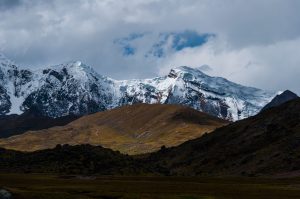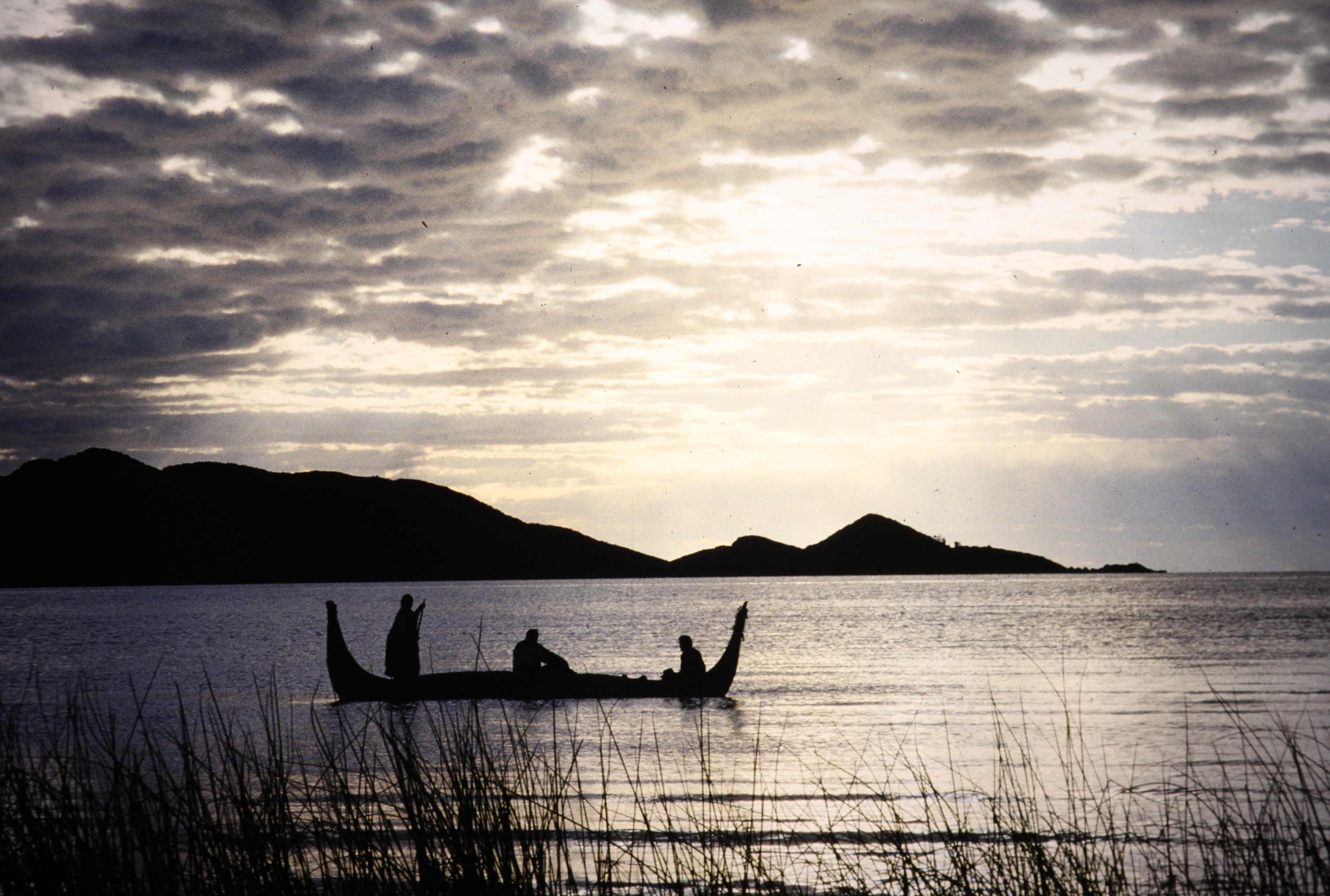

Lake Titicaca is located in the Andes Mountains, between the departments of Puno (Peru) and La Paz (Bolivia).
In the heart of the Andean highlands, shared by Peru and Bolivia, lies Lake Titicaca, a natural and cultural wonder at over 3,800 meters above sea level. With a surface area of more than 8,000 km², this lake is considered the highest navigable lake in the world.
Its cold, deep waters reflect the highland skies, and its surroundings combine breathtaking landscapes, ancestral villages, and a spirituality that permeates every corner.
The two main cities for accessing Lake Titicaca are:
-Puno (Peru): the starting point for visiting the floating islands of Uros and Taquile. It can be reached from Cusco or Arequipa by bus or tourist train.
-Copacabana (Bolivia): a small coastal town popular with backpackers, ideal for exploring Isla del Sol (Island of the Sun) and Isla de la Luna (Island of the Moon).
The nearest airports are Inca Manco Cápac International Airport (Juliaca, Peru) and El Alto Airport (La Paz, Bolivia).

A Brief History and Legends of Lake Titicaca
Lake Titicaca has been a spiritual and cultural center since pre-Incan times.
For the Aymara and Quechua peoples, the lake is sacred: according to legend, Manco Cápac and Mama Ocllo, the founders of the Inca Empire, emerged from its waters.
The lake’s shores still preserve temples, agricultural terraces, and ruins that reveal the grandeur of ancient civilizations such as the Tiahuanaco and the Collas.
In Bolivia, the ruins of Tiwanaku, a few kilometers from the lake, are a World Heritage Site and one of the most important archaeological sites in South America.

Must-See Islands of Lake Titicaca
Lake Titicaca is home to more than 80 islands, some natural and others man-made. Each offers a unique experience.
1. Uros Islands (Peru)
Perhaps the most famous islands on the lake. These floating islands are constructed from totora reeds, an aquatic plant also used to make houses and rafts.
The Uros-Aymara families have lived here for centuries, preserving their language, traditions, and way of life. Visitors can explore the islands, learn about their culture, and take rides in the characteristic totora reed boats.

2. Taquile Island (Peru)
Known for its self-sufficient community and textile tradition, Taquile was recognized by UNESCO for its handcrafted textiles. The men weave and the women spin, following ancestral techniques.
In addition, the views of the lake from the island’s summit are spectacular, especially at sunset.
3. Amantaní Island (Peru)
An ideal destination for those seeking experiential tourism. Travelers can stay with local families, participate in Andean ceremonies, and visit temples dedicated to Pachamama and Pachatata, the lake’s guardian deities.
4. Isla del Sol (Bolivia)
Considered the birthplace of the Sun according to Inca mythology, this island is a place full of energy and mystery.
Here you’ll find the ruins of Pilkokaina and the Sacred Rock, from where, according to legend, the first Incas emerged.
There are no vehicles, so the tours are done on foot, among terraces, trails, and viewpoints with unforgettable vistas.
5. Island of the Moon (Bolivia)
Smaller and quieter, it was home to the Virgin Priestesses of the Sun. Its archaeological ruins, such as the Temple of the Virgins, tell stories of feminine power and spirituality in the Inca world.

Biodiversity and Natural Environment in Lake Titicaca
Lake Titicaca is a unique ecosystem. It is home to more than 500 aquatic species, many of them endemic.
The most well-known is the Titicaca giant frog (Telmatobius culeus), an endangered species that lives exclusively in its waters.
It is also a refuge for birds such as grebes, Andean flamingos, and gulls, making it an excellent destination for ecotourism and photography enthusiasts.

Living Culture and Traditions in lake Titicaca
Around the lake, ancestral customs passed down through generations are still practiced. The Aymara and Quechua communities practice rituals of gratitude to Pachamama (Mother Earth), celebrate traditional festivals such as the Feast of the Virgin of Candelaria (in Puno, an Intangible Cultural Heritage of Humanity), and maintain a deep connection with nature.
Hospitality is an integral part of the experience: travelers staying in local homes can participate in agricultural activities, learn to cook with Andean products, or attend traditional dances.

Conservation and Future of Lake Titicaca
Lake Titicaca is not only a dream tourist destination, but also a fragile ecosystem that requires care and respect. In recent years, local authorities and Andean communities have promoted conservation projects to protect its biodiversity, especially in the face of pollution and climate change.
Environmental organizations and universities in Peru and Bolivia are working together to preserve endemic species, such as the Titicaca giant frog and the Andean flamingo, as well as to promote the responsible use of natural resources like totora reeds.
For their part, local communities play a fundamental role in protecting the lake. Through sustainable community-based tourism, many families offer lodging and cultural experiences that respect the environment and revitalize ancestral traditions.
This approach not only generates fair income, but also educates visitors about the importance of caring for the lake and its surroundings. In this way, every traveler can become an ambassador for respecting and preserving one of the most emblematic places in the Andes.
A Journey for the Soul and the Senses
Traveling to Lake Titicaca is discovering a corner of the world where time stands still and nature converses with history. Each sunrise over its waters resembles a painting by the Andes, and every local smile reflects the warmth of the communities that proudly preserve their traditions.
Tourism in this region not only invites you to explore breathtaking landscapes but also to live authentic experiences: sharing a home-cooked meal with an Aymara family, learning to weave on Taquile Island, or participating in a Pachamama ceremony are experiences that connect you deeply with Andean culture.
Lake Titicaca represents the best of sustainable tourism in South America: a balance between adventure, respect, and learning. Therefore, beyond being a photogenic destination, it is a place that inspires gratitude, reflection, and love for nature.
If you are planning your next getaway, add this sacred destination to your list. Between Peru and Bolivia, Lake Titicaca awaits you with its endless skies, its welcoming people, and its ancestral energy that is never forgotten.