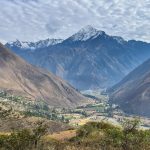

Inca Quarry Trek 4 days, also known as the Cachicata Trek, is one of the lesser-known gems of the Sacred Valley of the Incas. Unlike the famous Inca Trail, this route is peaceful, intimate, and deeply connected to Andean life.
A four-day hike along the Inca Quarry trail traverses stunning natural landscapes, hidden archaeological ruins, ancient quarries that once fueled the Inca Empire’s greatness, mountain passes, and rural communities. This Inca Quarry tour combines history, nature, and adventure in a more intimate and less touristy format than traditional routes.
It is designed for those who want to go beyond traditional paths, discover the secrets of Inca stonework, and experience a deeper connection with Andean nature.
It connects not only landscapes but also times: the Inca past, the present of the communities, and the future of a more respectful tourism.

The Quarry of the Gods
Cachicata was a sacred quarry. It is believed that the rocks worked there were destined for the fortress of Ollantaytambo. The Incas transported the giant blocks across the Urubamba River, a titanic task without the use of wheels or draft animals.
The Cachicata quarry was a center of advanced engineering. Here, the Incas quarried, carved, and transported enormous blocks of pink granite destined for temples and fortresses.
Along the Inca Quarry Trek, ramps, track marks, and half-carved stones can be seen, demonstrating the magnitude of the work. Fascinatingly, many blocks were left abandoned right where they were cut, as if time had stood still.
As you continue along the Inca Quarry Trek, you can see unfinished blocks, rudimentary tools, and tombs called chullpas, where master stonemasons and important figures were buried. This section of the Inca Quarry Trek is a true time capsule: each carved stone tells a story of precision, spirituality, and deep respect for the mountain.

A journey through the living history of the Andes
Every step of the Inca Quarry Trek 4 days breathes history. The mountains are not only silent witnesses to centuries of culture, but they also still bear the traces of Inca craftsmanship on their slopes.
In the Cachicata quarries, the heart of this trek, you can still see perfectly carved stone blocks, abandoned in the same place where they were cut hundreds of years ago.
These stones were intended for the construction of temples and fortresses like Ollantaytambo, but the process was interrupted by the arrival of the conquistadors. Today, walking among them is a sense of Inca grandeur and the weight of time standing still.

Nature at its finest
The natural surroundings of the Inca Quarry are a living lesson in Andean geography. The first days of the trek are spent among farmland and rural villages where families still grow corn, potatoes, and quinoa.
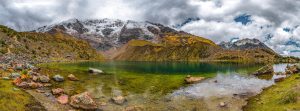
As you gain altitude, the landscape changes: fertile valleys give way to high-altitude grasslands, snow-capped mountains, and hidden lagoons that reflect the sky like natural mirrors.
During the hike, you can observe llamas, alpacas, and condors gliding silently, symbols of the spiritual connection between humans and the mountains.

Andean Culture and Communities
One of the greatest attractions is the contact with local communities that keep the Quechua tradition alive. Travelers share trails with farmers, learn about terraced agriculture, and observe the weaving of textiles using ancestral techniques.
Every smile and greeting in Quechua is an invitation to view the world with simplicity and respect for the land. This genuine coexistence transforms the trip into a profound cultural experience, beyond conventional tourism.

Hidden Ruins and Ancestral Architecture
Along the way, little-known archaeological remains are discovered, many without official signage, giving the traveler the feeling of being an explorer.
Among the most notable sites are Corimarca, Perolniyoc, and Intipunku (“Gate of the Sun”), all with Inca structures, terraces, and temples aligned with the stars and the solstice.
Each ruin holds a special energy, distinct from that of Machu Picchu, but equally powerful. They are spaces where silence and the wind seem to tell ancient stories


The Spiritual Soul of the Trail
More than a physical hike, the Inca Quarry Trek 4 days is an inner journey. The altitude, the silence, and the immensity of the landscape awaken a sense of humility before nature.
Along many sections of the trail, travelers place small apachetas (stone towers) as offerings to the Apus, the guardian spirits of the mountains.
This symbolic act reflects the union between body, mind, and environment, and makes the trek a spiritual experience as much as a physical one.

The best-kept secret before Machu Picchu
Inca Quarry Trek 4 days culminates in a connection with the Inca Trail and, finally, at Machu Picchu. However, the true magic of this route lies in its isolation: no crowds, no congestion, only the sound of the wind and footsteps on the ancient stone paths.
Arriving at the Inca citadel, after days of hiking among unknown ruins and breathtaking landscapes, takes on a different meaning: it is not just a tourist visit, but a personal achievement.
An Alternative Route to Machu Picchu
The Inca Quarry Trek is an alternative route that ends at Machu Picchu, but its value lies not only in the destination, but also in the journey.
Unlike the traditional Inca Trail, this route does not require limited permits, and the trails are free of crowds.
This makes it a perfect option for those seeking authenticity, human contact, and a more leisurely pace to enjoy the surroundings.

Responsible and Sustainable Tourism
Today, the Inca Quarry Trek has become an increasingly popular alternative route for conscious travelers.
Most local agencies offering this experience work in coordination with communities, ensuring that part of the proceeds are reinvested in education, infrastructure, or social support.
It is a form of tourism that seeks to preserve Andean culture and protect the natural environment, while offering an authentic and transformative experience.

Recommendations for the Inca Quarry Trek
-Acclimatize before the trek. Spend at least two days in Cusco or the Sacred Valley to adjust to the altitude.
-Pack light and be prepared.
-Bring layered clothing, a raincoat, sunscreen, a reusable water bottle, and good hiking shoes.
-Walk at your own pace. Altitudes require calm. Stay hydrated and enjoy the scenery without rushing.
-Respect the local culture. Learn a few words in Quechua and ask permission before taking photos.
-Protect the environment.
Don’t leave trash, use reusable water bottles, and don’t disturb archaeological remains.
-Support local communities.
Buy local products and choose agencies that work with local residents.
-Photograph with awareness.
Take advantage of the light at sunrise and sunset, and avoid climbing sacred structures.
-Connect with the place.
More than a hike, it’s a spiritual experience. Listen to the silence, breathe deeply, and let yourself be carried away by the Andean energy.
A transformative experience
At the end of the journey, what remains are not just photographs or landscapes: what remains is a feeling of deep connection.
The Inca Quarry Trek teaches us to walk with humility, to listen to the mountains, and to respect the rhythms of the natural world.
Every step on this trail is an offering: to the body, to the spirit, and to the memory of a people who, despite the passage of time, live on among the stones.