
Pucará, whose name comes from the Aymara (or Puquina) word meaning “fortress” or “fortified post”, is a district located in the province of Lampa, in the Puno region of southern Peru.
Nestled high in the Peruvian highlands at over 3,800 meters above sea level, Pucará stands out for its unique blend of ancient history, living traditions, and breathtaking natural beauty.
Covering an area of approximately 537.6 km², the district’s capital sits at an altitude of about 3,887 meters above sea level, according to the 2007 census.
Situated in the northern part of Lampa province, Pucará is easily accessible from the highway that connects Puno with the Cusco region, making it a fascinating stop for travelers crossing the Altiplano.
This Andean town combines an ancient archaeological heritage, a vibrant artisan tradition, and a stunning natural environment, making it an ideal destination for those seeking an experience that unites history, culture, landscape, and alternative tourism.

History and Archaeological Heritage
The Pucará area is more than just a pretty Andean village: it is the center of the ancient complex of the culture that bears its name, the Pucará culture.
-Period and Development: This culture developed approximately between 300 BC and 300 AD, on the high plateau surrounding Lake Titicaca.
-Archaeological Site: The complex known as the Pucará Archaeological Complex (or “Pukará”) covers an area of about 4 km².
Here you will find monumental structures: truncated pyramids, sunken plazas, burial chambers, stone stelae, and architecture that demonstrates a high degree of planning.
-Discovery and Relevance: Pucará was investigated by the archaeologist Luis E. Valcárcel in 1925, which allowed for the recognition of the importance of this center as a precursor to later cultures such as Tiwanaku.
-Architecture and symbolism: Pucará boasts one of the most important structures, the pyramid called Kalasaya: 300 m long, 150 m wide, and 30 m high, according to some sources.
In addition, Pucará features stone sculptures such as the “Rain Pillar” and zoomorphic monoliths that link symbolism of water, animals, and religious worship.

Artisanal Tradition and the “Little Bulls of Pucará”
One of the most visible and popular cultural expressions of Pucará is the “Little Bull of Pucará.” These ceramic figures, made of clay, represent a bull and are used as amulets for protection, prosperity, and good luck, typically placed on the roofs of Andean houses.
-Meaning: They protect the home and symbolize fertility, prosperity, good luck, and balance.
-Materials and Colors: They are made with clays of a wide variety of colors and are hand-painted. Each color can have a particular meaning (yellow: abundance; blue: serenity; red: protection).
-Living Tradition: There are still artisan workshops where these little bulls are made, making the place an interesting destination for those who wish to take home an authentic piece of craftsmanship and learn about the technique.

Tourism and What to See in Pucará
Pucará is not just a quiet town on the high Andean plateau it’s a place where history, art, and tradition coexist in perfect harmony. Its mix of archaeological wonders, artisanal workshops, and breathtaking landscapes make it a must-see destination for travelers exploring southern Peru.
1. Pucará Archaeological Complex (Kalasaya)
The main attraction in Pucará is its archaeological site, one of the oldest and most important in the Andean highlands. The Pucará culture flourished here between 300 B.C. and 300 A.D., long before the rise of the Tiwanaku and Inca civilizations.
The site covers several hectares and features stepped pyramids, ceremonial platforms, sunken plazas, and monolithic sculptures carved from volcanic stone.
The most iconic structure, Kalasaya, stands as a massive terraced pyramid that served both religious and administrative purposes.
Walking through this ancient sanctuary feels like stepping back in time surrounded by stones that still whisper myths of rain, fertility, and the gods of the highlands.

Summary
2. Pucará Lithic Museum
Located in the town’s main square, the Museo Lítico de Pucará (Lithic Museum) houses an impressive collection of stone sculptures and artifacts discovered in the archaeological site.
Visitors can admire monoliths, stelae, ceramics, and ceremonial vessels, many representing deities, felines, snakes, and other sacred symbols of Andean cosmology.
The museum provides context about the Pucará culture’s influence on later civilizations and offers insight into how these early Andean people built complex societies around agriculture, religion, and art.

3. The Workshops of the “Toritos de Pucará”
No visit to Pucará is complete without discovering the famous Torito de Pucará, the small bull-shaped ceramic figurine that has become a national symbol of protection and prosperity.
You can visit local artisan workshops where these toritos are handmade using traditional techniques passed down for generations.
Watching artisans mold and paint each piece is a fascinating experience that reveals the care and symbolism behind every color and design.
Many travelers take a torito home not just as a souvenir, but as a piece of Andean identity said to bring luck, fertility, and harmony to any household.

4. The Altiplano Landscape
Pucará sits in the heart of the Peruvian Altiplano, a vast landscape of open skies, rolling hills, and grazing alpacas. The scenery itself is an attraction perfect for photography lovers and those seeking peace and connection with nature.
From the town, you can enjoy panoramic views of the surrounding mountains, the soft hues of dawn and sunset, and the crisp Andean air that carries the sound of distant bells and wind.
It’s a destination that invites reflection, walking, and simply being present in the silence of the highlands.
5. The Colonial Church of Pucará
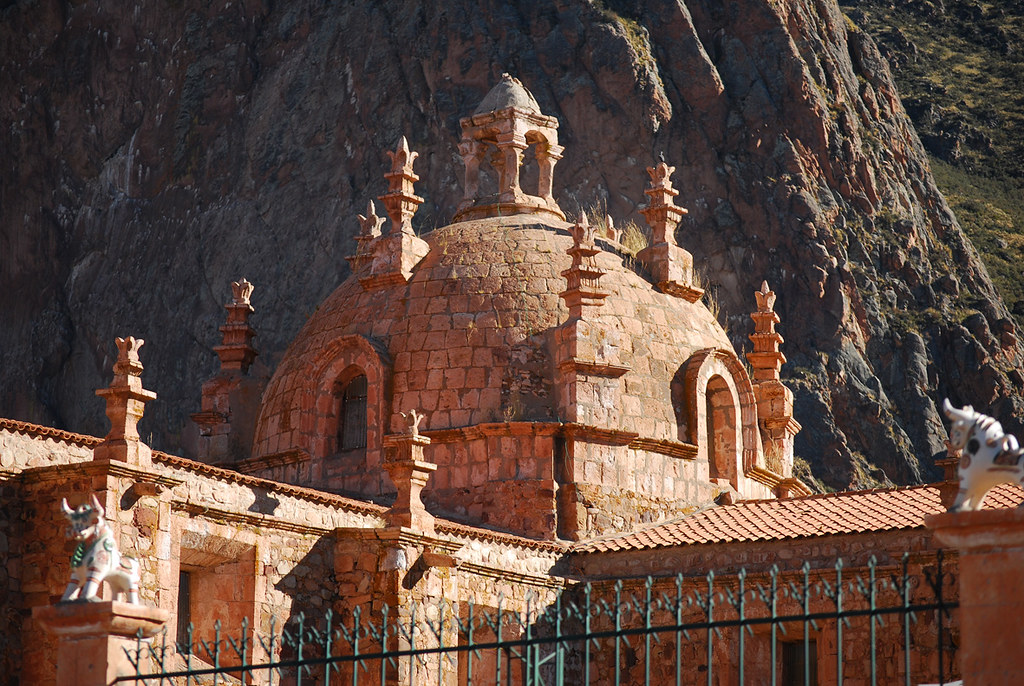
In the main square, the Church of Santa Isabel of Pucará, built during the colonial period, stands as a charming example of Andean religious architecture.
Its adobe walls, simple lines, and small bell tower blend beautifully with the rural surroundings, offering a glimpse into centuries of faith and tradition.

6. Local Festivities and Cultural Life
If you visit in June, you can witness the Festival of the Torito de Pucará, a colorful celebration that honors the town’s most iconic symbol.
The event includes music, dances, parades, and a lively artisan fair where locals and visitors gather to celebrate their cultural pride.
Throughout the year, this Andean town celebrates various religious and agricultural festivities, where the community expresses gratitude through traditional dances and ancient rituals moments that reveal the deep spirituality and joy of its people.

Visiting this place is not just about seeing it’s about feeling.
It’s about walking through an ancient site where the first Andean civilizations flourished, talking with artisans who keep centuries-old traditions alive, and breathing the crisp air of the high plateau where time seems to slow down.
This highland destination invites travelers to discover authentic Peru a place where every stone, every color, and every smile tells the story of resilience and beauty in the heart of the Andes.