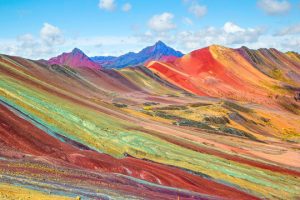

Lares Trek 4 Days is a unique Andean adventure that combines breathtaking landscapes, cultural encounters, and unforgettable local experiences. While many travelers are drawn to famous routes leading directly to Machu Picchu, the Lares Trek follows a different path—one that reveals the living traditions, breathtaking mountain landscapes, and remote communities that continue to preserve centuries-old Andean customs.
The Lares region offers a rare opportunity to experience the Andes beyond archaeology. Here, travelers encounter traditional Quechua villages, herds of alpacas grazing beneath snow-capped peaks, turquoise glacial lakes, ancient agricultural practices, and a lifestyle that has remained remarkably unchanged for generations.
For adventurers seeking a deeper connection with Peru’s culture, nature, and people, the Lares Trek is considered one of the most rewarding and authentic trekking experiences in South America.

What Is the Lares Trek?
The Lares Trek is a high-altitude trekking route located in the Sacred Valley region of the Peruvian Andes. Named after the traditional mountain town of Lares, the trek traverses remote valleys, rugged mountain passes, glacial landscapes, and indigenous communities that maintain strong ties to their ancestral heritage.
Unlike routes that focus primarily on archaeological sites, the Lares Trek emphasizes cultural immersion and natural beauty.
The journey showcases:
- Spectacular Andean mountain scenery
- Traditional Quechua communities
- Snow-covered peaks
- Glacial lakes
- High-altitude ecosystems
- Ancient agricultural landscapes
- Rich biodiversity
- Living indigenous traditions
This combination makes the Lares Trek one of the most culturally significant trekking routes in Peru.
Experience Authentic Andean Culture on the Lares Trek 4 Days
One of the greatest highlights of the Lares Trek is the opportunity to connect with traditional Andean communities. Along the route, travelers pass through remote villages where local families continue to preserve customs that have existed for centuries.
Visitors can witness:
- Traditional weaving and textile production
- Alpaca and llama herding
- Ancient farming techniques
- Quechua-speaking communities
- Traditional stone and adobe homes
These cultural encounters provide a unique glimpse into the living heritage of the Andes, making the Lares Trek much more than just a hiking adventure.
Spectacular Landscapes Along the Lares Trek
The Lares Trek showcases some of the most beautiful scenery in Peru, combining dramatic mountain views with peaceful highland valleys.
Highlights include:
Crystal-Clear Glacial Lakes
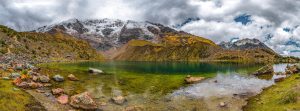
Brilliant turquoise and emerald-colored lakes reflect the surrounding peaks, creating some of the most photogenic landscapes in the Andes.
Snow-Capped Mountains
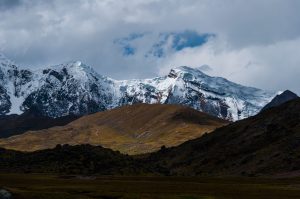
Towering Andean peaks dominate the horizon throughout the trek, offering breathtaking panoramic views and a strong connection to local spiritual traditions.
Remote Highland Valleys
Wide-open landscapes, grazing alpacas, and traditional villages create a tranquil atmosphere far from the crowds, allowing travelers to experience the true beauty of the Peruvian Andes.
Together, these natural and cultural treasures make the Lares Trek one of the most rewarding alternative routes to Machu Picchu.

Alpacas and the Living Heritage of the Andes
One of the most memorable aspects of the Lares Trek is the opportunity to experience authentic Andean life surrounded by thousands of alpacas grazing across the highland valleys. Unlike many trekking routes that focus solely on dramatic landscapes, the Lares region offers a rare cultural connection with communities that continue to preserve traditions passed down through generations.
Alpacas are deeply woven into the identity of the Peruvian Andes. Their soft, high-quality fiber is considered one of the most prized natural materials in the world and remains a key source of income for many local families. Along the trail, visitors can witness daily activities that have changed very little over the centuries.
During the trek, travelers often observe:
- Large herds of alpacas grazing in open mountain pastures
- Local shepherds dressed in traditional Andean clothing
- Women spinning and weaving alpaca wool by hand
- Ancient agricultural techniques still practiced today
- Stone-built villages that blend seamlessly into the landscape
- Colorful local markets where handmade textiles are sold
The relationship between Andean communities and alpacas goes far beyond economics. These animals provide fiber, support local livelihoods, and hold cultural significance within many traditional ceremonies and celebrations. Meeting local families along the route offers an authentic glimpse into a way of life that continues to thrive despite the rapid modernization seen in other parts of the world.
Wildlife and Natural Diversity Along the Lares Trek
Although the Lares Trek is often celebrated for its cultural experiences, it is equally remarkable for its ecological richness. The route passes through a variety of ecosystems that range from high-altitude mountain passes and glacial valleys to fertile agricultural terraces and pristine wetlands.
The changing elevations create ideal conditions for a wide range of wildlife and plant species, making the trek a fascinating destination for nature lovers and photographers.
Wildlife You May Encounter
The remote Andean landscapes provide habitat for numerous native species, including:
- Alpacas grazing across mountain slopes
- Llamas used by local communities as pack animals
- Wild vicuñas, the elegant relatives of alpacas
- Vizcachas, small mammals often compared to rabbits
- Majestic Andean condors soaring above deep valleys
- Mountain hawks and falcons hunting along rocky cliffs
- Hummingbirds adapted to high-altitude environments
- Native Andean waterfowl found near mountain lakes
- Various species of songbirds unique to the region
For lucky travelers, the early morning hours often provide the best opportunities to observe wildlife in its natural habitat.
Native Flora of the Andean Highlands
The Lares region is also home to an impressive variety of plant life that has adapted to survive in challenging mountain conditions.
Common vegetation includes:
- Extensive ichu grasslands covering the high plateaus
- Native shrubs that thrive in rocky soils
- Colorful seasonal wildflowers
- Medicinal plants traditionally used by local communities
- Cushion plants adapted to extreme temperatures
- High-altitude wetlands known as bofedales
- Native Andean crops cultivated on mountain terraces
These ecosystems play a crucial role in regulating water resources, supporting wildlife populations, and preserving the environmental balance of the Andes.

A Trek Through Nature and Culture
What truly sets the Lares Trek apart is the seamless combination of breathtaking scenery, living indigenous culture, and extraordinary biodiversity. Every day on the trail offers opportunities to interact with local communities, learn about traditional Andean customs, observe native wildlife, and admire landscapes shaped by thousands of years of natural and cultural history.
For travelers seeking more than just a hike to Machu Picchu, the Lares Trek delivers a deeper journey into the heart of the Andes, where nature, tradition, and history continue to coexist in remarkable harmony.
The Sacred Mountains of the Lares Region
The mountains surrounding the Lares Trek hold deep spiritual significance for local communities.
In Andean cosmology, mountains are known as Apus—powerful protective spirits that influence weather, fertility, livestock, and human well-being.
For generations, local families have maintained ceremonies and offerings dedicated to these sacred peaks.
This spiritual relationship between people and landscape continues to shape daily life throughout the region.
The presence of these sacred mountains adds a unique dimension to the trekking experience, transforming the journey into a cultural and spiritual exploration as well as a physical adventure.
Ancient Agricultural Traditions of the Andes
Agriculture remains a fundamental aspect of life in the Lares Valley.
Many communities continue to cultivate crops using techniques passed down through generations.
Traditional farming practices include:
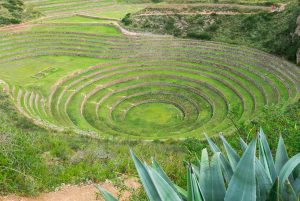
- Terraced agriculture
- Natural irrigation systems
- Potato cultivation
- Quinoa production
- Crop rotation methods
These sustainable agricultural systems have allowed Andean communities to thrive in challenging mountain environments for centuries.
The agricultural landscapes encountered along the trek provide valuable insight into how humans have adapted to life at high altitude.

Photography Opportunities Along the Lares Trek
The Lares Trek is a dream destination for photographers.
The route offers endless opportunities to capture:
- Snow-capped peaks
- Glacial lakes
- Traditional villages
- Colorful textiles
- Alpaca herds
- High mountain passes
- Dramatic cloud formations
- Golden Andean sunsets
The combination of natural beauty and cultural richness creates an extraordinary visual experience.
Why Choose the Lares Trek Over Other Routes?
Many travelers choose the Lares Trek because it offers advantages rarely found on more popular routes.
Key highlights include:
- Fewer crowds
- Greater cultural interaction
- Authentic local experiences
- Spectacular mountain scenery
- Traditional Andean communities
- Rich wildlife
- Diverse ecosystems
- Peaceful trekking environment
The trek provides a deeper understanding of Peru’s living heritage while still delivering world-class mountain landscapes.

Best Time to Hike the Lares Trek
The dry season, from April through October, is generally considered the best time to explore the Lares region.
During these months:
- Skies are clearer
- Trails are more accessible
- Mountain views are exceptional
- Rainfall is minimal
- Photography conditions improve significantly
The rainy season brings greener landscapes but can create more challenging trekking conditions.
Essential Travel Tips for the Lares Trek
Before embarking on the Lares Trek, travelers should prepare for high-altitude conditions.
Recommended preparations include:
- Acclimatizing in Cusco
- Staying well hydrated
- Wearing layered clothing
- Bringing quality hiking boots
- Using strong sun protection
- Respecting local customs
- Supporting responsible tourism initiatives
Proper preparation enhances both comfort and safety throughout the journey.
Lares Trek 4 Days: A Cultural Adventure Through the Andes Mountain Range.
The Lares Trek 4 Days is one of Peru’s most authentic trekking experiences, combining breathtaking mountain scenery with rich Andean culture. Unlike more crowded routes, this journey takes travelers through remote valleys, crystal-clear glacial lakes, traditional Quechua villages, and spectacular high mountain passes surrounded by snow-capped peaks.
Along the trail, hikers encounter local communities that have preserved their ancestral traditions for centuries, as well as herds of alpacas and llamas grazing across the Andean landscape. Every day offers a unique blend of natural beauty, cultural discovery, and unforgettable panoramic views.
The Lares Trek is perfect for travelers seeking more than just a hike. It is an opportunity to experience the living culture of the Peruvian Andes while exploring some of the region’s most pristine and lesser-known landscapes before continuing toward the world-famous Machu Picchu.
Combining adventure, history, and authentic local encounters, the Lares Trek 4 Days remains one of the most rewarding ways to discover the true spirit of Peru.