
Summary
Ausangate Mountain, Peru’s highest sacred peak near Cusco. Explore its glaciers, Andean culture, wildlife, breathtaking landscapes, and why it is one of the country’s most extraordinary natural wonders.

Ausangate Mountain: Peru’s Sacred Peak Above the Clouds
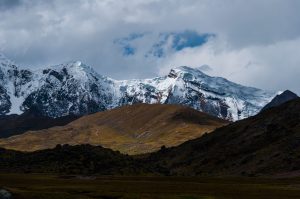
Rising majestically above the Vilcanota Mountain Range, Ausangate Mountain is one of Peru’s most awe-inspiring natural wonders. Standing at 6,384 meters (20,945 feet) above sea level, it is the highest mountain in the Cusco region and one of the most revered peaks in Andean culture. Unlike many famous destinations that attract visitors for a single landmark, Ausangate captivates travelers with its endless glaciers, crystal-clear lagoons, colorful valleys, and landscapes that seem untouched by time.
For centuries, this magnificent mountain has been considered a sacred guardian of the Andes. Today, it continues to inspire adventurers, photographers, nature lovers, and those seeking a deeper connection with Peru’s extraordinary landscapes.

The Sacred Mountain of the Andes
In Andean cosmology, mountains are known as Apus—powerful spiritual beings believed to protect nearby communities, rivers, animals, and agricultural lands. Among them, Ausangate holds a special place as one of the most respected and revered sacred mountains in southern Peru.
For generations, local Quechua communities have honored Ausangate through ceremonies, offerings, and traditions that express gratitude for the water, fertile lands, and protection provided by the mountain. These ancient beliefs continue to shape everyday life, making Ausangate not only a geographical landmark but also a living symbol of Andean identity.

The Highest Peak in the Cusco Region
Dominating the skyline of southeastern Peru, Ausangate reaches an impressive elevation of 6,384 meters, making it the highest mountain in the Cusco region.
Its permanently snow-covered summit can be seen from miles away, standing as a natural monument that has shaped the surrounding landscape for thousands of years. Massive glaciers descend from its slopes, feeding rivers, wetlands, and alpine ecosystems that sustain both wildlife and local communities throughout the region.
A Landscape Sculpted by Ice
The environment surrounding Ausangate has been shaped over countless centuries by glaciers, snow, wind, and flowing water.
Towering ice walls, glacial valleys, moraines, turquoise lakes, and rugged rock formations create one of the most dramatic alpine landscapes in South America. As sunlight changes throughout the day, the glacier reflects brilliant shades of white, silver, and deep blue, creating spectacular scenery that constantly evolves with the weather.
Every viewpoint around Ausangate offers a completely different perspective, making the mountain one of Peru’s greatest natural masterpieces.

Crystal-Clear Lagoons Beneath the Glaciers
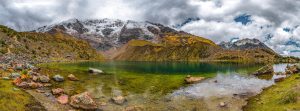
One of Ausangate’s most breathtaking features is the collection of high-altitude lagoons that surround its glaciers.
These pristine lakes display remarkable shades of turquoise, emerald, and sapphire due to the minerals carried by glacial meltwater. Perfectly reflecting the snow-covered peaks above, they create landscapes that appear almost unreal.
Each lagoon possesses its own unique beauty, adding even greater diversity to an already extraordinary environment.
Wildlife of the High Andes
Despite its extreme altitude, the Ausangate region supports an impressive variety of wildlife specially adapted to life in the mountains.
Visitors may encounter graceful vicuñas roaming freely across the puna grasslands, alpacas grazing near traditional villages, soaring Andean condors, Andean geese, caracaras, and numerous native bird species.
The region’s wetlands also provide important habitats for endemic plants and animals that thrive in one of the world’s highest ecosystems.
The Colors of the Vilcanota Mountains
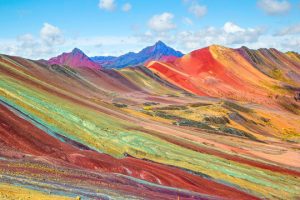
Although Ausangate is famous for its snow-covered summit, the surrounding mountains display an extraordinary palette of natural colors.
Mineral-rich soils have painted the landscape with vibrant shades of red, yellow, green, purple, and orange, creating spectacular geological formations that contrast beautifully with the brilliant white glaciers above.
These colorful mountains demonstrate the incredible geological history of the Andes and make the Ausangate region unlike anywhere else in Peru.
Home to Ancient Andean Traditions
Life around Ausangate has changed remarkably little over the centuries.
Many families continue raising alpacas and llamas while preserving traditional weaving techniques that have been passed down through generations. Brightly colored textiles created from alpaca wool remain an important expression of Andean identity, combining natural dyes with intricate patterns inspired by the surrounding mountains.
Visitors often discover that the cultural richness of Ausangate is just as memorable as its spectacular landscapes.
Why Ausangate Is a Paradise for Photographers
Every season, every hour, and every change in weather transforms the scenery around Ausangate.
Golden sunrises illuminate the glaciers with warm light, afternoon clouds create dramatic shadows across the valleys, and crystal-clear nights reveal an endless sky filled with stars.
The combination of snow-covered peaks, colorful mountains, pristine lagoons, wildlife, and traditional Andean villages makes Ausangate one of Peru’s finest destinations for landscape photography.
A Mountain That Sustains Life
Ausangate’s glaciers serve as one of the region’s most important natural water reserves.
The melting ice feeds rivers that provide fresh water for agriculture, wildlife, wetlands, and rural communities throughout the Cusco region. This constant flow supports fragile ecosystems and highlights the mountain’s vital environmental role far beyond its impressive summit.
Protecting Ausangate means protecting one of the Andes’ most valuable natural resources.
The Changing Seasons of Ausangate
Every season reveals a different side of the mountain.
During the dry months, visitors enjoy brilliant blue skies, exceptional mountain views, and crisp alpine air. As seasonal rains arrive, valleys become greener, wildflowers bloom across the puna, and waterfalls grow stronger, creating a completely different landscape.
No matter the season, Ausangate remains one of Peru’s most spectacular destinations for those seeking authentic mountain scenery.
Why Ausangate Is One of Peru’s Greatest Natural Wonders
Ausangate is far more than the highest mountain in Cusco. It is a place where glaciers shape the land, colorful valleys stretch beneath towering peaks, wildlife thrives at extreme altitudes, and centuries-old traditions remain alive among local communities.
Its combination of natural beauty, cultural significance, geological diversity, and ecological importance makes it one of the most extraordinary destinations in the Peruvian Andes.
For travelers searching for an authentic encounter with nature, culture, and adventure, Ausangate offers an unforgettable experience that goes far beyond the mountains themselves.
The Geological Story Behind Ausangate
Ausangate is more than a towering mountain—it is a masterpiece shaped over millions of years by powerful geological forces. The collision of tectonic plates lifted the Andes, while glaciers, wind, and water gradually carved the dramatic valleys, sharp ridges, and rugged cliffs that define the region today. Layers of mineral-rich rock reveal a fascinating geological history, allowing visitors to witness landscapes that have been evolving since long before human civilization. Every peak and glacier surrounding Ausangate tells a story written by nature itself.
A Sanctuary of Rare Andean Flora
The harsh climate around Ausangate has given rise to an extraordinary collection of native plant species specially adapted to life above 4,000 meters. Hardy ichu grass blankets the high-altitude plains, while cushion plants, mosses, and colorful alpine flowers survive freezing nights, intense sunlight, and strong mountain winds. These resilient plants not only support the local wildlife but also help protect fragile soils from erosion, making them an essential part of the mountain’s unique ecosystem.

The Timeless Beauty of Sunrise and Sunset at Ausangate
Few places in Peru offer natural light as spectacular as Ausangate. At dawn, the first rays of sunlight gradually illuminate the glacier, transforming the icy summit into brilliant shades of gold, pink, and orange. As evening approaches, long shadows stretch across the valleys while the snow-covered peaks glow beneath the fading light of the Andes. These magical moments create unforgettable panoramas that showcase the mountain’s ever-changing beauty, making every sunrise and sunset a unique experience for travelers and photographers alike.