
The Inca Trail to Machu Picchu is one of the most active and unique trekking experiences, and it is also one of the most famous routes in the world. This ancient 4-day trail connects the living history of the Inca civilization with breathtaking Andean landscapes, cloud forests, unique archaeological sites, and the unforgettable citadel of Machu Picchu.
More than just a hike, the Inca Trail is a cultural, historical, and spiritual journey that follows the original stone pathways built by the Incas over 500 years ago. Each step reveals the extraordinary engineering, sacred geography, and deep connection between nature and the Andean worldview.
For travelers seeking history, adventure, and one of the most iconic destinations on Earth, the Inca Trail Trek offers a once-in-a-lifetime experience.

Summary
What is the Inca Trail Trek 4 Days?
The Inca Trail to Machu Picchu is part of the ancient Qhapaq Ñan, an extensive road network built by the Inca Empire that once stretched across thousands of kilometers throughout South America.
Today, the classic Inca Trail trek is one of the most famous hiking routes in the world. It usually takes about four days and covers around 42 kilometers, leading travelers through a variety of stunning natural and historical environments, such as:
- Towering Andean mountain landscapes
- Lush cloud forest ecosystems
- Archaeological remains of the Inca civilization
- Original stone pathways and staircases
- Transition zones into subtropical jungle
The trek culminates at the Sun Gate (Inti Punku), where hikers are rewarded with their first breathtaking view of Machu Picchu.
The Inca Trail: A sacred journey to Machu Picchu
More than just a hiking route, the Inca Trail was once a sacred pilgrimage path used by the Incas to connect important ceremonial and political centers within their empire.
Along the way, visitors can explore several well-preserved archaeological sites that highlight the cultural, spiritual, and astronomical significance of the Inca civilization.
Some of the most important sites along the route include:
- Llactapata
- Runkurakay
- Sayacmarca
- Phuyupatamarca
- Wiñay Wayna
Each of these locations reflects the remarkable engineering skills of the Incas, as well as their deep connection between nature, religion, and architecture.

Landscapes of the Inca Trail
One of the most impressive aspects of the Inca Trail to Machu Picchu is its incredible ecological diversity.
Throughout the trek, hikers pass through:
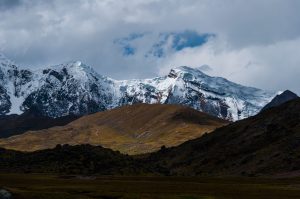
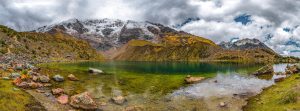
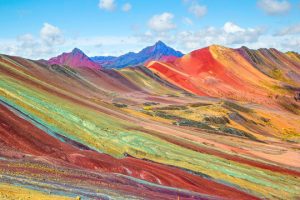
Andean mountains
Towering peaks reaching over 4,200 meters with panoramic views of the Andes.
Cloud forests
Lush ecosystems filled with orchids, mosses, bromeliads, and dense vegetation.
High jungle (eyebrow of the jungle)
Warmer zones with rich biodiversity and dense tropical growth.
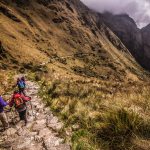
Original Inca stone paths
Centuries-old pathways that remain remarkably well preserved.
This combination makes the Inca Trail one of the most diverse trekking routes in the world.
Archaeological Sites Along the Inca Trail
The Inca Trail to Machu Picchu is not only a trekking route, but also a journey through history, passing several important archaeological sites that reveal the greatness of the Inca civilization.
Wiñay Wayna
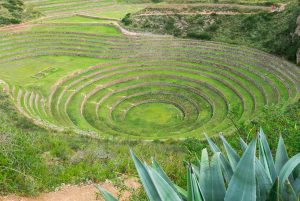
One of the most impressive sites on the trail, Wiñay Wayna features extensive agricultural terraces built into a steep mountainside. The complex also includes stone buildings, ceremonial fountains, and water channels, showing its importance as both an agricultural and spiritual center overlooking the Urubamba Valley.
Phuyupatamarca
Known as the “City Above the Clouds,” Phuyupatamarca is located at a high altitude and offers spectacular panoramic views of the Andes and cloud forest. The site contains finely built stone structures and sacred water baths, believed to have been used for rituals and ceremonies.
Sayacmarca
This archaeological site is built on a narrow ridge surrounded by dramatic mountain landscapes. Its name means “Inaccessible Town,” reflecting its challenging location. Sayacmarca features narrow passageways, temples, and residential areas connected by intricate stone pathways.
Runkurakay
A small but strategically important circular structure, Runkurakay is believed to have served as a rest stop and checkpoint for Inca messengers (chasquis) and travelers moving along the royal road system.
Together, these sites demonstrate that the Inca Trail was a sacred and highly organized route that connected important cultural and ceremonial centers.

The Challenge of the Inca Trail
The Inca Trail to Machu Picchu is considered a moderate to challenging trek due to its altitude, terrain, and changing weather conditions. Proper preparation and acclimatization are important for a safe experience.
The highest point of the trail is Dead Woman’s Pass (Warmiwañusca), reaching approximately 4,200 meters (13,780 feet) above sea level, where oxygen levels are significantly lower.
Along the route, trekkers face:
- Steep uphill and downhill sections
- Long stone staircases built by the Incas
- High-altitude conditions that can affect breathing and stamina
- Rapid weather changes, including rain, sun, and cold winds
Despite the difficulty, the journey is extremely rewarding. Arriving at Machu Picchu through the Sun Gate (Inti Punku) at sunrise is considered one of the most unforgettable moments in South America, making every step of the trek worthwhile.