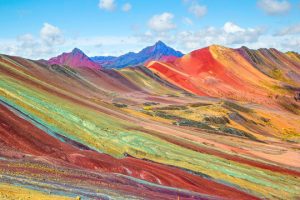

Salkantay Trek 7 Days is considered one of the most extraordinary trekking experiences and one of the best routes to Machu Picchu. This remarkable journey takes travelers through a stunning variety of landscapes, from snow-capped mountains and glacial valleys to cloud forests and tropical environments, creating an unforgettable adventure through the heart of the Peruvian Andes.
Unlike shorter versions of the trek, the 7-day Salkantay experience allows hikers to fully immerse themselves in the region’s natural beauty, cultural heritage, and ecological diversity. With more time to explore the mountains, interact with local communities, and appreciate the dramatic scenery, this route offers a deeper and more rewarding connection to Peru’s most iconic landscapes.
For adventure seekers, nature lovers, photographers, and travelers searching for an authentic Andean experience, the Salkantay Trek 7 Days is a journey that combines challenge, discovery, and unforgettable memories.

Summary
What Is the Salkantay Trek 7 Days?
The Salkantay Trek is one of Peru’s most spectacular hiking routes, connecting the rugged Andes Mountains with the lush cloud forests that lead to the world-famous Machu Picchu. Known for its breathtaking scenery and environmental diversity, this trek offers an unforgettable alternative to the classic Inca Trail.
Throughout the journey, hikers experience a remarkable variety of landscapes, including:
- Snow-capped mountains
- Ancient glaciers
- High Andean valleys
- Crystal-clear rivers
- Cloud forests
- Tropical vegetation
- Traditional Andean communities
The route showcases the natural beauty of southern Peru while allowing travelers to explore ecosystems that connect the Andes with the Amazon region.
Salkantay Mountain: The Sacred Heart of the Trek
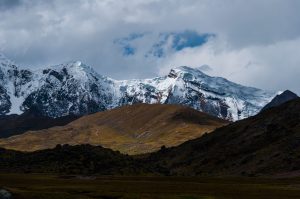
The highlight of the adventure is the impressive Salkantay Mountain, which rises to 6,271 meters (20,574 feet) above sea level. As one of the highest peaks in the Cusco region, its glacier-covered summit dominates the landscape and creates some of the most memorable views along the trail.
For centuries, local communities have revered Salkantay as an Apu, a sacred mountain spirit believed to protect the region and maintain harmony between people and nature. In Andean tradition, the mountain is associated with:
- Protection and guidance
- Water and agricultural fertility
- Spiritual energy
- Respect for nature
- Ancestral traditions
Combining stunning scenery, rich cultural heritage, and a rewarding challenge, the Salkantay Trek has earned its reputation as one of the finest trekking experiences in South America.

A Journey Through Diverse Ecosystems
One of the most remarkable aspects of the Salkantay Trek 7 Days is the extraordinary range of ecosystems travelers encounter during the route.
Very few trekking routes in the world offer such dramatic environmental transitions within a single journey.
High Andean Landscapes
The upper sections of the trek are characterized by:
- Snow-covered peaks
- Glacial valleys
- Alpine meadows
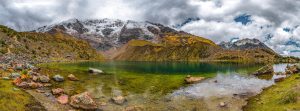
- Mountain lakes
- Rocky high-altitude terrain
Cloud Forest Ecosystems
As the altitude decreases, the scenery transforms into:
- Dense cloud forests
- Lush vegetation
- Exotic orchids
- Giant ferns
- Waterfalls and streams
Tropical Regions
The lower sections of the route introduce warmer temperatures and rich biodiversity that reflect the influence of the nearby Amazon Basin.
The Remarkable Biodiversity of the Salkantay Trek
The Salkantay Trek is more than a route to Machu Picchu; it is a journey through some of Peru’s most diverse ecosystems. As hikers travel from the high Andes into the cloud forests near the Amazon, they experience dramatic changes in scenery, climate, and wildlife.
Wildlife Along the Route
The trail provides habitat for a variety of fascinating species, including:
- Andean condors
- Hummingbirds
- Falcons
- Vizcachas
- Alpacas and llamas
- Spectacled bears in remote areas
- Tropical bird species
These landscapes offer excellent opportunities for wildlife observation and nature photography.
Unique Flora
The Salkantay region is also rich in plant life, featuring:
- Native orchids
- Queuña forests
- Medicinal plants
- Bromeliads
- Mosses and ferns
- Diverse cloud forest vegetation
The combination of mountain and tropical ecosystems makes the trek one of Peru’s most impressive natural experiences.

Cultural Heritage Along the Salkantay Route
The Salkantay Trek also offers a glimpse into the traditions of the Andean communities that have lived in the region for generations. Local people continue to preserve customs that reflect a strong connection to the mountains and the natural world.
Living Andean Traditions
Travelers can discover:
- Traditional agriculture
- Alpaca and llama herding
- Handwoven textiles
- The Quechua language
- Local festivals and celebrations
- Sustainable mountain lifestyles
Meeting local families and learning about their way of life adds a meaningful cultural dimension to the adventure. For many visitors, these authentic experiences become just as memorable as reaching the Historic Sanctuary of Machu Picchu.
Why Choose the 7-Day Salkantay Trek?
The 7-Day Salkantay Trek is perfect for travelers who want a more complete and rewarding experience on their journey to Machu Picchu. Unlike shorter versions of the trek, this extended itinerary allows hikers to fully enjoy the dramatic landscapes, adapt better to the altitude, and discover the cultural and natural richness of the Peruvian Andes.
With additional days on the trail, visitors can explore remote mountain valleys, spend more time at scenic viewpoints, and enjoy a more comfortable hiking pace. The route passes through diverse ecosystems, from the snow-capped slopes of Nevado Salkantay to lush cloud forests filled with unique wildlife and vegetation.
Benefits of the 7-Day Salkantay Trek
- Better acclimatization to high altitudes
- More time to enjoy spectacular landscapes
- Excellent photography opportunities
- Deeper cultural experiences with local communities
- Access to less-crowded sections of the trail
- A more relaxed and enjoyable trekking pace
- Greater connection with nature and the Andes
This longer adventure transforms the trek into much more than a route to Machu Picchu—it becomes an unforgettable exploration of Peru’s most diverse mountain environments.

The Vital Role of Salkantay’s Glaciers
The glaciers of Nevado Salkantay are an essential source of water for the surrounding region. As the ice slowly melts, it feeds rivers, streams, mountain lakes, agricultural lands, and cloud forest ecosystems that support both wildlife and local communities.
These water resources play a crucial role in maintaining biodiversity and sustaining traditional Andean livelihoods. However, climate change is causing glaciers throughout the Andes to retreat, making conservation efforts increasingly important.
Protecting Salkantay’s glaciers helps preserve not only one of Peru’s most iconic landscapes but also the vital water systems that sustain life across the mountains and valleys below.
A Photographer’s Dream Destination
The Salkantay Trek is often regarded as one of Peru’s most photogenic routes.
The variety of landscapes provides endless opportunities to capture extraordinary images.
Highlights include:
- Snow-capped mountains
- Massive glaciers
- Deep valleys
- Cloud forests
- Waterfalls
- Colorful sunsets
- Star-filled skies
- Scenic mountain panoramas
Every section of the route presents a new visual masterpiece.

Best Time to Hike the Salkantay Trek
The dry season, from April to October, is generally considered the ideal time to complete the Salkantay Trek.
During these months:
- Rainfall is less frequent
- Trails are more stable
- Mountain views are clearer
- Weather conditions are more predictable
- Photography opportunities improve significantly
However, the route remains accessible during much of the year depending on weather conditions.

Essential Tips for the Salkantay Trek
To fully enjoy the adventure, travelers should:
- Spend time acclimatizing in Cusco
- Maintain good physical fitness
- Wear appropriate trekking gear
- Stay hydrated throughout the journey
- Protect against sun exposure and cold temperatures
- Respect local communities and traditions
- Travel with experienced guides and responsible operators
Proper preparation greatly enhances both safety and enjoyment.