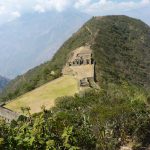

Choquequirao Trek 8 Days is often introduced as the “sister city” of Machu Picchu, but those who spend eight days exploring its remote landscapes quickly discover that it offers an entirely different experience. Hidden among towering Andean mountains and overlooking the dramatic Apurímac Valley, this ancient Inca settlement remains one of Peru’s most fascinating archaeological treasures.
Unlike destinations that have become crowded with visitors, Choquequirao continues to preserve an atmosphere of mystery, adventure, and discovery. The extended 8-day trek allows travelers to appreciate not only the archaeological complex itself but also the extraordinary environments that surround it.

Summary
The Vast Scale That Few Travelers Truly Understand
One of the biggest surprises for visitors is the sheer size of Choquequirao.
Many people imagine a single archaeological site, yet the complex spreads across multiple mountain ridges and terraces. Large sections remain partially uncovered, and archaeologists continue to study areas that reveal new insights into Inca engineering and daily life.
The additional days on the trail create opportunities to explore sectors that shorter routes often overlook, giving visitors a broader understanding of the city’s significance within the Inca world.
A Landscape Sculpted by Mountains and Time
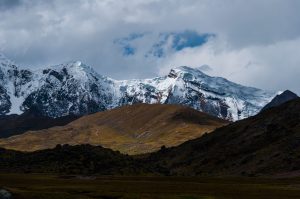
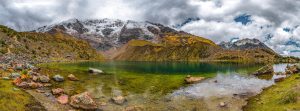
The region surrounding Choquequirao showcases some of the most dramatic geography in Peru.
Steep mountain slopes descend toward deep river valleys while cloud-covered peaks dominate the horizon. Over centuries, natural forces have shaped a landscape that feels both powerful and untouched.
Traveling through these environments reveals how the Incas adapted their architecture to challenging terrain, transforming mountainsides into productive agricultural and ceremonial spaces.

Ancient Agricultural Knowledge Hidden in the Terraces
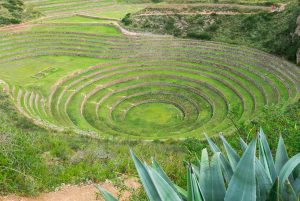
The agricultural terraces of Choquequirao demonstrate an impressive understanding of land management.
Built along steep slopes, these terraces helped control erosion, conserve water, and create productive farming areas. They also reveal how the Incas developed sustainable agricultural systems capable of supporting communities in remote mountain regions.
Today, these structures remain among the most visible examples of Andean engineering excellence.

The Remarkable Story Told by Stone Llamas
Among the site’s most distinctive features are the famous llama-shaped stone designs embedded within the terraces.
These figures are unique within the Inca archaeological world and continue to attract the attention of historians and researchers. Their presence highlights the cultural importance of llamas as symbols of transportation, trade, and survival throughout the Andes.
For many travelers, this sector becomes one of the most memorable discoveries during the trek.
A Journey Through Changing Natural Worlds
One reason the Choquequirao Trek 8 Days stands apart from other adventures is the diversity of ecosystems encountered along the route.
Travelers move through:
- High Andean landscapes
- Dry mountain valleys
- Cloud forests
- Subtropical vegetation zones
- Remote canyon environments
Each environment introduces new scenery, wildlife, and climatic conditions, making every stage of the trek feel unique.
The Silence That Defines the Experience
Modern travel often involves crowded attractions and constant activity. Choquequirao offers the opposite.
The remote nature of the trail allows visitors to experience long stretches of peaceful wilderness. The sounds of rivers, birds, and mountain winds replace the noise of cities and transportation networks.
This sense of isolation is one of the reasons many hikers consider Choquequirao one of the most authentic trekking destinations in South America.
The Wildlife of the Apurímac Region
The mountains and forests surrounding Choquequirao support a surprising variety of wildlife.
Depending on the season, travelers may encounter:
- Andean condors
- Hummingbirds
- Mountain hawks
- Native orchids
- Butterflies
- Various species of cloud forest birds
The slower pace of an 8-day journey increases opportunities to observe these species within their natural habitats.
The Legacy of an Inca Stronghold
Historians believe Choquequirao played an important role during the final stages of the Inca Empire.
Its strategic location connected important routes between the Andes and the eastern forests. The site likely functioned as an administrative, religious, and agricultural center that supported regional communication and economic activity.
Although many questions remain unanswered, ongoing research continues to reveal the importance of this remarkable settlement.
Unforgettable Views Beyond the Main Complex
One of the greatest advantages of spending eight days on the trail is having more time to reach remote viewpoints.
These elevated locations offer sweeping perspectives of mountain ranges, valleys, and ancient terraces stretching across the landscape. During sunrise and sunset, changing light conditions create some of the most spectacular scenery in the Peruvian Andes.

A Deeper Connection With Andean Heritage
Beyond its archaeological significance, Choquequirao provides a powerful connection to the traditions and history of the Andes.
Walking ancient pathways, observing centuries-old stonework, and witnessing landscapes that have changed little over time creates an experience that feels deeply connected to Peru’s cultural roots.
The journey encourages travelers to understand not only the achievements of the Incas but also the enduring relationship between people and mountains throughout Andean history.

Why Choquequirao Trek 8 Days Is Unlike Any Other Adventure
Choquequirao offers far more than a challenging hike. It is an opportunity to explore hidden archaeological sectors, discover unique cultural features, witness extraordinary biodiversity, and experience some of the most remote landscapes in Peru.
For travelers seeking an adventure beyond traditional tourist routes, the Choquequirao Trek 8 Days delivers a rare combination of history, nature, and exploration that few destinations in South America can match.
Choquequirao and the Beauty of Andean Nights
One of the most overlooked aspects of the Choquequirao Trek 8 Days is what happens after the sun disappears behind the mountains. While most travelers focus on the archaeological site, the valleys, or the challenging sections of the trail, the nights themselves become an unforgettable part of the experience.
Far from major cities and artificial light sources, the mountains surrounding Choquequirao offer some of the clearest skies in Peru. As darkness settles over the landscape, thousands of stars begin to appear across the horizon. What starts as a few visible constellations quickly transforms into a breathtaking celestial panorama.
For travelers accustomed to urban environments, the difference is remarkable. In many cities around the world, light pollution limits the visibility of stars and astronomical features. Along the Choquequirao route, however, the absence of excessive lighting allows the sky to reveal its full beauty. The Milky Way often stretches across the heavens like a luminous river, creating scenes that seem almost unreal.
The experience becomes even more impressive when combined with the silence of the Andes. Without the sounds of traffic, machinery, or crowded streets, the atmosphere feels completely different from everyday life. Visitors often find themselves sitting outside their campsites, simply observing the sky and appreciating the sense of tranquility that surrounds them.
Ancient Andean civilizations also maintained a strong relationship with celestial observations. The movement of stars, planets, and seasonal constellations helped communities understand agricultural cycles and ceremonial calendars. While modern travelers may not rely on the night sky for survival, witnessing these same celestial landscapes creates a unique connection with the people who once inhabited the region.
The longer duration of an eight-day trek increases the chances of experiencing different weather conditions and nighttime perspectives. Some evenings may offer crystal-clear skies filled with stars, while others reveal dramatic cloud formations illuminated by moonlight. Every night presents a different spectacle, ensuring that no two evenings feel exactly the same.
For many visitors, these moments become some of the most cherished memories of the entire expedition. The archaeological remains of Choquequirao may provide a connection to history, but the night skies offer something equally powerful—a reminder of the immense natural beauty that still exists in remote corners of the world.
Choquequirao and the Experience of Watching the Andes Change Day by Day
One of the defining characteristics of the Choquequirao Trek 8 Days is the opportunity to observe how the Andes transform over time. Unlike shorter adventures that focus primarily on reaching a destination, an extended expedition allows travelers to witness subtle changes in the environment that reveal the complexity of the mountain ecosystem.
The Andes are constantly changing. Weather systems move rapidly across valleys and peaks, creating different visual experiences throughout the day. A mountain that appears sharply defined in the morning may become hidden beneath clouds by the afternoon. Likewise, a valley that seems dry and rugged under midday sunlight can appear lush and vibrant after an evening rainfall.
These transformations are not merely visual. They influence temperature, vegetation, wildlife activity, and even the overall atmosphere of the trek. As travelers progress along the route, they begin to recognize patterns within the landscape and develop a deeper appreciation for the natural forces that shape the region.
The extended duration of the trek provides enough time to experience multiple environments and weather conditions. Hikers may encounter cool mountain mornings, warm afternoons in lower elevations, mist-covered forests, and clear evenings beneath star-filled skies. This diversity adds richness to the journey and prevents the experience from becoming repetitive.
Another fascinating aspect of observing the Andes over several days is the changing quality of light. Early mornings often bathe the mountains in soft golden tones, while late afternoons create dramatic shadows that emphasize the rugged contours of the terrain. These shifts reveal new details within the landscape and transform familiar views into entirely different scenes.
The ability to witness these daily changes encourages a slower and more mindful approach to travel. Rather than focusing solely on reaching the next campsite or destination, travelers become more attentive to the world around them. Small details that might otherwise go unnoticed begin to stand out, enriching the overall experience.
Through this gradual observation, visitors gain a deeper understanding of why the Andes have inspired generations of explorers, scientists, and local communities. The mountains are not static monuments; they are living landscapes that continuously evolve, offering new perspectives with each passing day.

Choquequirao and the Rare Luxury of Time
Perhaps the greatest advantage of an eight-day expedition is something that many modern travelers rarely experience: time.
In today’s world, travel often revolves around efficiency. People seek to visit multiple destinations within limited schedules, moving quickly from one attraction to the next. While this approach allows travelers to see many places, it can sometimes prevent them from fully experiencing any of them.
The Choquequirao Trek 8 Days offers a completely different perspective. Instead of rushing through the landscape, visitors have the opportunity to immerse themselves in it. Time becomes an essential component of the journey rather than an obstacle to overcome.
With additional days on the trail, hikers can spend longer periods observing mountain scenery, engaging with local guides, photographing changing landscapes, and simply appreciating their surroundings. The experience becomes less about checking destinations off a list and more about developing a meaningful connection with the region.
This slower pace also encourages personal reflection. Long hours of walking through remote environments create opportunities to think, observe, and process experiences without the constant distractions that characterize modern life. Many travelers report that some of their most valuable insights emerge during these quiet moments on the trail.
The luxury of time also allows visitors to appreciate details that are often missed during shorter expeditions. Subtle variations in vegetation, geological formations, wildlife behavior, and weather patterns become more apparent. These observations contribute to a richer and more complete understanding of the region.
From a cultural perspective, spending more time in the mountains helps travelers appreciate the scale of the landscapes that ancient Andean civilizations inhabited. Distances that may appear insignificant on a map feel very different when experienced on foot. The journey provides insight into the challenges and achievements of the people who once traveled these routes centuries ago.
Ultimately, the Choquequirao Trek 8 Days demonstrates that meaningful travel is not always about covering greater distances or seeing more attractions. Sometimes, the most rewarding experiences come from slowing down and allowing a place to reveal itself gradually. In a world increasingly defined by speed, the opportunity to spend eight days immersed in the Andes becomes a rare and valuable privilege.