

Summary
Where is Waqrapukara located?
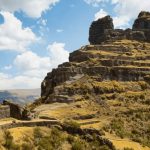
The Waqrapukara Archaeological Site is located in the Acomayo province of the Cusco region, at an altitude of over 4,300 meters (14,100 feet) above sea level.
The site sits dramatically on a natural rock formation shaped like horns, overlooking the deep Apurímac canyon and surrounded by high Andean landscapes, lagoons, valleys, and sacred mountains.
Its remote location makes it one of the most peaceful and untouched archaeological destinations in Cusco.


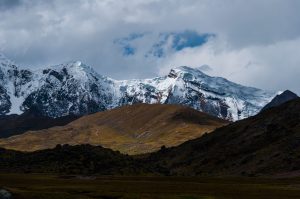
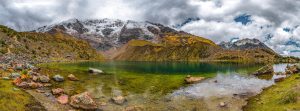
The landscape of Waqrapukara
The surroundings of Waqrapukara Archaeological Site are among the most dramatic landscapes in the Cusco region.
The site is surrounded by:
- Deep canyons
- Horn-shaped rock formations
- High-altitude lagoons
- Sacred Andean peaks
- Remote valleys
- Vast open skies
This combination makes Waqrapukara one of the most visually powerful archaeological sites in Peru.
Spiritual Meaning of Waqrapukara
The Waqrapukara Archaeological Site holds a powerful spiritual meaning within Andean culture. Located high in the Apurímac region, it is considered a sacred space deeply connected to the Apus, the mountain spirits that are believed to watch over the land and its people.
In ancient times, Waqrapukara was not only used as a fortress but also as a ceremonial center. Its strategic position between cliffs and valleys reinforces the idea that it was chosen for both protection and spiritual purposes. Many researchers and local traditions suggest that the site functioned as a bridge between the physical world and the spiritual realm, where rituals were performed to honor nature and the cosmos.
The site is traditionally associated with:
- Fertility of the land and successful agricultural cycles
- Spiritual protection of nearby communities
- Worship and offerings to the Apus (mountain deities)
- Balance between humans and nature
- Observation of celestial and seasonal changes
Even today, local communities in the Cusco region continue to preserve these ancestral beliefs. Ritual offerings known as “despachos” are still performed in the Andes as a way of maintaining harmony with nature and honoring the sacred mountains.
Biodiversity Along the Waqrapukara Route
The environment surrounding Waqrapukara belongs to the Andean puna ecosystem, one of the most unique high-altitude landscapes in South America. Situated at over 4,000 meters above sea level, this region is characterized by cold temperatures, strong winds, intense sunlight during the day, and freezing nights.
Despite these extreme conditions, the area supports a surprising variety of wildlife adapted to survive in thin air and rugged terrain.
Wildlife commonly observed includes:
- The Andean condor, one of the largest flying birds in the world, often seen gliding over cliffs
- The Andean fox (culpeo), a shy predator that moves through valleys and grasslands
- Vizcachas, small rabbit-like animals that live among rocky outcrops
- Llamas and alpacas, domesticated camelids that are essential to local communities
- High-altitude birds such as hawks, kestrels, and hummingbirds adapted to cold climates
The vegetation is equally resilient and adapted to these conditions:
- Ichu grass, the dominant grass of the high Andes, used traditionally for roofing and livestock feeding
- Hardy native shrubs and plants that survive in poor soils
- Mosses and lichens that grow slowly on rocks and steep slopes
- Sparse vegetation shaped by wind, altitude, and low oxygen levels
Although the ecosystem may appear harsh and empty at first glance, it is actually a fragile and well-balanced environment where every species plays an important role in maintaining ecological stability.

Waqrapukara as an Adventure Destination
In recent years, Waqrapukara has become one of the most attractive off-the-beaten-path trekking destinations in the Cusco region. Unlike more crowded routes such as the Inca Trail, this trek offers a quieter, more authentic experience surrounded by untouched nature and dramatic canyon landscapes.
The hike to Waqrapukara is ideal for travelers who want a combination of adventure, culture, and natural beauty in a single day. The journey itself is as rewarding as the destination, passing through remote Andean villages, open highland plateaus, and deep valleys carved by time.
This experience is especially recommended for those looking for:
- Panoramic views of mountains, canyons, and rivers
- A deep connection with Andean culture and traditions
- Peaceful trails away from mass tourism
- Unique photography opportunities in dramatic landscapes
- Exploration of an ancient archaeological fortress built on a cliff formation
- A physically rewarding day hike with moderate to challenging difficulty
Compared to multi-day treks, Waqrapukara is an excellent option for travelers with limited time who still want a meaningful adventure in the Andes. It offers a perfect balance of physical challenge, cultural immersion, and natural beauty, making it one of the hidden gems of Cusco.
Best time to visit Waqrapukara
The best season to visit Waqrapukara Archaeological Site is the dry season, from April to October.
During this period:
- Weather is more stable
- Skies are clearer
- Trails are safer
- Rainfall is minimal
- Visibility is excellent
The rainy season offers greener landscapes but more challenging hiking conditions.

Travel recommendations for Waqrapukara
To fully enjoy the experience, visitors should:
- Acclimatize in Cusco before the hike
- Wear layered clothing for changing weather
- Use proper trekking shoes
- Carry enough water and energy snacks
- Apply sunscreen and sun protection
- Respect archaeological remains
- Consider traveling with local guides
Proper preparation ensures a safe and rewarding experience.
Waqrapukara Full Day: A Hidden Treasure of Cusco
Waqrapukara is one of the most unique and lesser-known archaeological sites in the Andes.
Famous for its horn-shaped rock formation and impressive canyon views, it combines natural beauty with Inca history in a powerful way.
Visiting Waqrapukara feels like discovering a sacred place between mountains and sky, where culture and nature come together.