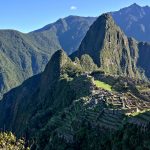

Machu Picchu Full Day is one of the best options for travelers who want to experience Peru’s most famous destination in a single day. Surrounded by the breathtaking Andes Mountains, Machu Picchu is a masterpiece of Inca engineering and one of the most visited archaeological sites in the world.
This journey combines spectacular scenery, fascinating history, and unforgettable cultural experiences. Traveling through the Sacred Valley and arriving at the ancient citadel allows visitors to witness stunning landscapes while discovering the legacy of the Inca civilization.
Walking through Machu Picchu’s terraces, temples, and stone pathways offers a unique glimpse into a site that continues to amaze travelers centuries after its construction. The combination of history, nature, and panoramic mountain views makes every moment memorable.
A Machu Picchu Full Day tour is the perfect choice for those seeking an efficient yet rewarding adventure, providing the opportunity to explore one of the New Seven Wonders of the World and create lasting memories in the heart of Peru.

Summary
What Makes Machu Picchu So Special?
The Machu Picchu is widely regarded as one of the greatest achievements of Inca engineering and architecture.
Built during the 15th century under the rule of Pachacútec, Machu Picchu was constructed high in the Andes Mountains, surrounded by lush cloud forests and overlooking the dramatic Urubamba Valley.
Its strategic location, sophisticated design, and enduring mystery have made it one of the most admired destinations on the planet.
Unlike many ancient cities that have been heavily altered over time, Machu Picchu remains remarkably preserved, offering visitors an authentic glimpse into the world of the Incas.
A Journey into the Legacy of the Inca Civilization
A full-day tour to Machu Picchu offers travelers an unforgettable opportunity to step into the world of one of the most advanced and influential civilizations in pre-Columbian history. The experience goes far beyond sightseeing—it is a deep connection with the cultural, spiritual, and architectural genius of the Inca Empire.
The Incas developed remarkable knowledge in multiple essential areas, including architecture, agriculture, astronomy, hydraulic engineering, urban planning, and social organization. These achievements allowed them to build thriving cities across some of the most challenging mountainous landscapes in the world.
At Machu Picchu, this brilliance is clearly visible in every detail. The precisely carved stone structures, the extensive agricultural terraces, the sacred temples, and the intricate network of pathways all demonstrate the Incas’ extraordinary engineering skills. Even more impressive is their ability to design a city that blends perfectly with nature, ensuring stability, sustainability, and harmony with the environment. This legacy continues to fascinate historians and travelers alike, as it represents both technical mastery and spiritual depth.

The Extraordinary Setting of Machu Picchu
One of the most captivating aspects of Machu Picchu is its breathtaking natural location, which enhances the mystery and beauty of the ancient citadel.
The site is located at an altitude of approximately 2,430 meters (7,970 feet) above sea level, in a unique transition zone where the high Andes Mountains gradually descend into the Amazon rainforest. This rare geographical position creates a stunning mix of ecosystems and landscapes.
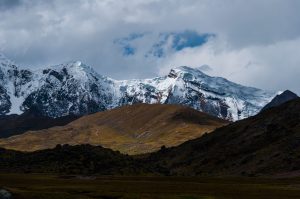
Visitors are surrounded by towering mountain peaks, dense cloud forests, deep river valleys, and an incredible variety of plant and animal life that thrives throughout the year. The constant presence of mist and shifting clouds adds a magical atmosphere, often revealing and hiding the ruins in a dramatic and unforgettable way.
The combination of natural beauty and human achievement makes Machu Picchu one of the most extraordinary destinations in the world, offering not only visual impact but also a deep sense of history and wonder.
The Engineering Marvel That Defied Time
One of the greatest mysteries surrounding Machu Picchu is how the Incas managed to build such an advanced city in such a remote and mountainous location.
The structures were constructed using massive stones carefully shaped and fitted together without mortar.
This technique allowed the buildings to withstand centuries of earthquakes and harsh weather conditions.
Architectural highlights include:
- Agricultural terraces
- Stone stairways
- Ceremonial temples
- Water channels
- Residential sectors
- Sacred plazas
The precision and durability of Inca construction continue to amaze archaeologists and engineers today.

The Most Important Sectors of Machu Picchu
The city is divided into several sectors that reveal the complexity of Inca society.
Agricultural Sector
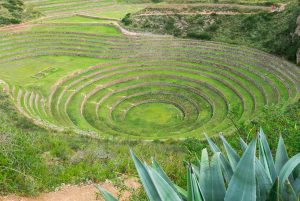
The famous agricultural terraces helped cultivate crops while stabilizing the mountain slopes.
Urban Sector
This area contained residential buildings, gathering spaces, and daily living quarters.
Religious Sector
Home to some of the site’s most important ceremonial structures, this area was dedicated to spiritual and astronomical activities.
Ceremonial Sector
Here the Incas performed rituals connected to the Sun, nature, and sacred mountain deities.
Each section of Machu Picchu offers valuable insight into how the Incas organized their society and interacted with their environment.
The Historical Importance of Machu Picchu
Although its exact function is still debated by historians and archaeologists, Machu Picchu is generally understood to have played multiple important roles within the Inca Empire.
Built in the 15th century during the reign of Emperor Pachacútec, this extraordinary site reflects the peak of Inca engineering, architecture, and spiritual worldview. Its remote mountain setting was likely chosen for both strategic protection and sacred significance, closely connected to Andean cosmology.
It is believed that Machu Picchu may have functioned as:
- A royal estate reserved for Inca rulers and nobility
- A religious sanctuary dedicated to worship and rituals honoring nature and the gods
- An astronomical observatory used to track solstices and agricultural cycles
- An administrative and political center supporting nearby regions
- A ceremonial retreat for elite spiritual and cultural activities
The precision of its stone structures, terraces, and water systems demonstrates advanced knowledge of engineering and harmony with the natural environment. Despite centuries of abandonment, the city remained remarkably preserved due to its isolation in the Andes.
Today, Machu Picchu is recognized as one of the most important archaeological sites in the world and a UNESCO World Heritage Site, attracting millions of visitors who seek to understand the legacy of the Inca civilization.