
Cusco City Tour Half Day is one of the best cultural experiences for travelers visiting the ancient city and former capital of the Inca Empire. Cusco is a city where ancient Inca history and colonial architecture come together, creating a unique atmosphere recognized by visitors from around the world.
This half-day tour takes you through some of Cusco’s most significant historical and archaeological sites, including Qorikancha, the Temple of the Sun, and the impressive Inca complexes of Sacsayhuamán, Qenqo, Puka Pukara, and Tambomachay. Along the way, travelers can learn about the beliefs, engineering techniques, and traditions that helped shape one of the most advanced civilizations in South America.
The Cusco City Tour Half Day is an ideal introduction to the region before continuing to iconic destinations such as Machu Picchu or the Sacred Valley. It offers a deeper understanding of the history, culture, and breathtaking landscapes that make Cusco one of Peru’s most remarkable travel destinations

Summary
Why Join a Cusco City Tour?
A visit to Cusco is much more than a simple sightseeing experience. As the former capital of the Inca Empire, this remarkable city offers travelers a unique opportunity to explore centuries of history, culture, and architectural brilliance all in one place.
Before the arrival of the Spanish conquistadors in the 16th century, Cusco was the heart of the vast Inca civilization. After the conquest, Spanish builders transformed the city by constructing churches, convents, and mansions over ancient Inca structures, creating a fascinating blend of two worlds that can still be seen today.
Taking a Cusco City Tour allows visitors to:
- Discover the fascinating history of the Inca civilization.
- Explore archaeological sites that showcase advanced engineering.
- Admire colonial architecture and religious landmarks.
- Learn about local traditions and Andean culture.
- Adapt gradually to Cusco’s high altitude.
- Gain a deeper understanding of Peru before visiting Machu Picchu.
- Experience one of South America’s most historically significant cities.
Sacsayhuaman: The Majestic Fortress Above Cusco
Standing proudly on the hills overlooking Cusco, Sacsayhuamán is one of the most extraordinary achievements of the Inca civilization. This massive archaeological complex showcases the incredible skill and knowledge of Inca builders, who constructed enormous walls using perfectly fitted stone blocks without the use of mortar.
Among the highlights of Sacsayhuamán are:
- Gigantic stone walls arranged in a zigzag pattern
- Remarkable engineering and stone craftsmanship
- Spectacular views of the city of Cusco
- Historical importance as both a ceremonial and defensive site
- Construction methods that continue to fascinate archaeologists and engineers
Today, Sacsayhuamán remains one of the most visited and admired Inca monuments in Peru.

Cusco: Where History Lives in Every Corner
Nestled high in the Peruvian Andes, Cusco was once the political, cultural, and spiritual center of the Inca Empire. Often referred to as the “Capital of the Incas,” the city played a vital role in governing a territory that stretched across present-day Peru, Bolivia, Ecuador, Chile, Argentina, and Colombia.
Today, Cusco remains a living museum where history can be found around every corner. Walking through its streets reveals an impressive mix of ancient and colonial influences that have shaped the city’s unique identity.
Visitors can explore:
- Remarkable Inca stonework that has withstood centuries and earthquakes.
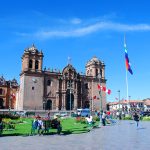
- Historic plazas surrounded by colonial buildings.
- Beautiful churches and monasteries rich in art and history.
- Traditional markets filled with local flavors and handicrafts.
- Museums that preserve the legacy of the Inca civilization.
- Vibrant neighborhoods where Andean traditions continue to thrive.
With its extraordinary cultural heritage, breathtaking architecture, and deep historical roots, Cusco is not only the gateway to Machu Picchu but also one of the most fascinating destinations in all of South America. A city tour is the perfect introduction to understanding its past, appreciating its present, and preparing for the adventures that await throughout the Sacred Valley and beyond.
The Archaeological Heritage of the Cusco City Tour
One of the highlights of the Cusco City Tour is the opportunity to explore some of the most important archaeological sites built by the Incas.
These monuments demonstrate the incredible engineering skills, urban planning, and organizational capacity of the Inca civilization.
Each site reveals a different aspect of Inca culture and showcases how the empire adapted its architecture to the challenging Andean environment.
Qenqo: A Place of Ritual and Mystery
Just a short distance from Sacsayhuamán lies Qenqo, an archaeological site deeply connected to Inca spirituality and religious traditions.
Unlike many other Inca structures, Qenqo was carved directly into a massive limestone formation, creating a unique ceremonial environment. Researchers believe it played an important role in rituals dedicated to nature, the gods, and astronomical events.
Visitors can explore:
- Intricate stone-carved passageways
- Ceremonial altars and sacred platforms
- Underground chambers and hidden corridors
- Areas believed to have been used for religious ceremonies
Qenqo offers a fascinating glimpse into the spiritual world of the Incas and their respect for the natural landscape.

Cusco’s Colonial Legacy
Beyond its archaeological treasures, the Cusco City Tour also highlights the city’s colonial heritage.
Following the Spanish conquest, many important buildings were constructed over former Inca palaces and temples.
Visitors can admire:
- Magnificent colonial churches
- Historic convents
- Spanish mansions
- Religious artwork
- Baroque architecture
This architectural fusion makes Cusco one of the most unique historical cities in the Americas.
Puka Pukara: Guardian of the Inca Roads
Known as the “Red Fortress,” Puka Pukara occupies a strategic position along the ancient routes leading into Cusco.
Its name comes from the reddish appearance of its stones during sunrise and sunset. Although relatively small compared to other Inca sites, Puka Pukara likely served several important functions within the empire.
Experts suggest it may have been used as:
- A military observation post
- A control point for travelers and messengers
- A defensive stronghold protecting access to Cusco
- A temporary resting place for Inca officials
Its elevated location provides excellent views of the surrounding valleys and mountains.

A City Where Ancient Traditions Thrive
Cusco is much more than an archaeological destination. It is a living cultural capital where centuries-old traditions continue to shape daily life. As visitors explore the city and nearby communities, they encounter customs that have been preserved and passed down through generations.
Some of the most authentic cultural experiences include:
- Listening to the Quechua language, still spoken by many local families.
- Enjoying traditional Andean melodies performed with native instruments.
- Watching colorful folk dances that celebrate local history and legends.
- Discovering handcrafted textiles, ceramics, and artisan products.
- Learning about ancestral customs that remain part of community life.
- Participating in religious and cultural festivals held throughout the year.
These enduring traditions make Cusco a unique destination where the past and present coexist, allowing travelers to experience the true spirit of the Andes while gaining a deeper appreciation for Peru’s extraordinary cultural legacy.
Tambomachay: The Inca Sanctuary of Water
The beautiful archaeological site of Tambomachay is famous for its elegant water features and sophisticated hydraulic design.
Often referred to as the “Temple of Water,” Tambomachay demonstrates the advanced engineering abilities of the Incas. Fresh mountain water continues to flow through its channels and fountains, highlighting the durability of Inca construction techniques.
Key attractions include:
- Flowing water fountains that remain active year-round
- Precisely constructed stone aqueducts
- Agricultural terraces and ceremonial platforms
- Sacred spaces associated with purification rituals
Tambomachay reflects the special importance of water in Inca culture, where it was considered both a practical resource and a sacred element connected to life and spirituality.

Why Is the Cusco City Tour an Essential Experience?
The Cusco City Tour Half Day offers one of the best introductions to the history and culture of the Andes.
In just a few hours, visitors can gain insight into:
- The origins of the Inca Empire
- The brilliance of Inca engineering
- Spanish colonial influence
- Andean spirituality
- The historical evolution of Cusco
It is an ideal experience for first-time visitors and history enthusiasts alike.
Cusco City Tour Half Day: Explore the Heart of the Inca Empire
The Cusco City Tour Half Day is one of the best ways to discover the rich history and culture of Peru’s ancient capital. Once the center of the Inca Empire, Cusco is a fascinating city where Inca heritage and colonial architecture blend together to create a unique atmosphere.
During this experience, visitors explore some of the region’s most important archaeological sites, including Sacsayhuamán, Qenqo, Puka Pukara, and Tambomachay. These remarkable places offer insight into the engineering, spirituality, and traditions of the Inca civilization.
The tour also provides an opportunity to admire Cusco’s historic streets, charming plazas, and impressive colonial buildings. Whether you are beginning your journey through Peru or preparing to visit Machu Picchu, the Cusco City Tour is the perfect introduction to the history, culture, and beauty of the Andes