


Landscapes of the Ausangate & Sibinacocha trek
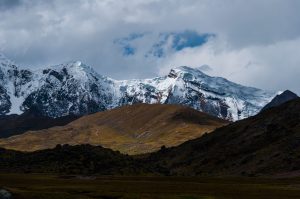
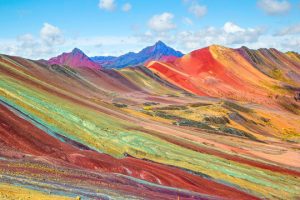
The journey between Ausangate and Sibinacocha offers some of the most diverse landscapes in Peru.
Travelers can experience:
- Massive glaciers in constant transformation
- Bright turquoise and emerald lakes
- Mineral-rich rainbow-colored mountains
- Deep isolated valleys
- Wide open Andean plateaus
- Crystal-clear high-altitude skies
Each section of the trek feels completely different, making the route constantly surprising and visually unforgettable.
Sibinacocha Lake: The Hidden Blue Jewel of the Andes
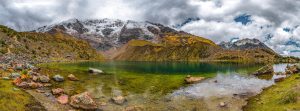
Sibinacocha Lake is one of the highest and most impressive lakes in Peru, sitting at an altitude of more than 4,800 meters above sea level in the Cusco region.
This massive glacial lake is famous for its intense turquoise-blue waters, framed by dramatic snowcapped mountains and vast high-Andean landscapes. Its remote location makes it one of the most untouched natural wonders in the Andes.
Main highlights of Sibinacocha Lake
- One of the largest high-altitude lakes in Peru
- Vital source of fresh water for surrounding ecosystems
- Surrounded by glaciers, peaks, and vast open landscapes
- Important habitat for native and migratory bird species
- Part of a fragile Andean ecological system
Beyond its beauty, Sibinacocha plays an important environmental role, helping regulate water systems and supporting biodiversity in the region.

Spiritual meaning of Ausangate and Sibinacocha
For the Quechua communities of the Peruvian Andes, Ausangate Mountain is not just a natural formation but a powerful Apu, a sacred mountain spirit that protects life, weather, and fertility in the region. It is deeply respected through offerings and traditional ceremonies known as pagos a la tierra (payments to the Earth).
Nearby, Sibinacocha Lake is also considered sacred. It is believed to hold spiritual energy and act as a life-giving source that sustains both humans and animals in the high Andes.
In the Andean worldview, everything in nature is alive and interconnected:
- Mountains are protective spiritual beings that watch over communities
- Lakes and lagoons carry energy and balance the natural world
- Glaciers are seen as ancient guardians of water and climate stability
- Humans are part of nature, not separate from it, and must live in respect and harmony
These beliefs are still very present in daily life, especially among rural communities, where rituals and offerings continue to honor the land and its spirits.
Weather conditions on the trek
The Ausangate–Sibinacocha trekking route passes through one of the most extreme high-altitude environments in the Andes, often above 4,500 meters. Because of this elevation, weather conditions can change rapidly and become very challenging.
Common conditions include:
- Sub-zero temperatures at night, especially in campsites near glaciers
- Intense UV radiation during the day due to thin atmosphere
- Strong winds in open valleys and high passes
- Sudden weather shifts from clear skies to snow or hail
- Possible snowfall even outside the main winter months
Because of these conditions, trekkers must be properly equipped with thermal layers, waterproof gear, and solid acclimatization before attempting the route.
Wildlife and Biodiversity in the Sibinacocha Region
Although the environment is extreme due to altitude and cold temperatures, the area around Sibinacocha supports a surprising range of wildlife adapted to high-Andean conditions.
Wildlife you may encounter
- Wild vicuñas grazing in open plains
- Alpacas and llamas in herding areas
- Andean condors soaring over mountain valleys
- Falcons and other high-altitude birds of prey
- Vizcachas resting on rocky slopes
- Seasonal migratory birds near wetlands and lake areas
Native flora of the high Andes
- Ichu grass, the dominant Andean pasture plant
- Medicinal herbs used in traditional Andean culture
- Mosses and lichens growing on rocks
- Small hardy shrubs adapted to cold climates
- Vegetation resistant to wind, frost, and low oxygen
These ecosystems are delicate and highly sensitive to climate change, making conservation of the region essential for future generations.

Ecological importance of the Ausangate–Sibinacocha region
The corridor between Ausangate Mountain and Sibinacocha Lake is one of the most important ecological systems in the southern Peruvian Andes. It acts as a natural water reserve that feeds many downstream ecosystems.
Key environmental functions include:
- Glacial meltwater that supplies rivers used for agriculture and drinking water in the Cusco region
- Regulation of seasonal water flow throughout the dry and wet seasons
- Habitat for unique high-Andean wildlife such as vicuñas, Andean geese, and condors
- Preservation of fragile ecosystems adapted to extreme altitude conditions
However, this region is also highly vulnerable to climate change. Glacial retreat has become a growing concern, affecting water availability and long-term ecological balance.
Best time to do the Ausangate & Sibinacocha trek
The most recommended season for trekking is the dry season, from April to October, when conditions are more stable and visibility is significantly better.
During this period, travelers can expect:
- Clear skies and excellent mountain visibility
- Less rainfall and more predictable conditions
- Safer trails with reduced risk of mud or flooding
- Better chances of seeing snow-capped peaks in full clarity
The wet season (November to March) transforms the landscape into a greener, more vibrant environment, but it also brings heavier rains, cloud cover, and more difficult trekking conditions.

Essential travel tips for the trek
Due to the altitude, remoteness, and physical demands of this expedition, proper preparation is essential for safety and enjoyment.
Important recommendations include:
- Spend at least 2–3 days acclimatizing in Cusco before the trek
- Maintain good physical conditioning, especially cardio endurance
- Use layered clothing suitable for both freezing nights and sunny days
- Wear durable trekking boots with strong grip for rocky terrain
- Stay consistently hydrated to help prevent altitude sickness
- Apply sunscreen and wear UV protection due to high solar exposure
- Consider traveling with experienced local guides familiar with the region
Preparation is one of the most important factors in successfully completing this trek.
Ausangate & Sibinacocha trek 7 Days: a true high-Andean expedition
The journey connecting Ausangate Mountain and Sibinacocha Lake is widely considered one of the most complete high-altitude trekking experiences in Peru. It combines raw natural beauty with cultural depth and spiritual meaning.
Along the route, trekkers encounter glaciers, turquoise lakes, vast open valleys, and traditional Quechua communities that continue to live in harmony with the land. The presence of sacred mountains and living traditions adds a unique cultural dimension that goes far beyond a typical hiking experience.
This trek is not only about physical challenge—it is also about connection: with nature, with history, and with the living traditions of the Andes.
For travelers seeking authenticity, solitude, and dramatic landscapes, the Ausangate–Sibinacocha route stands as one of the most unforgettable and meaningful adventures in South America