

Summary
What makes the Choquequirao 8-day trek so special?
The 8-day route to Choquequirao Archaeological Park is considered one of the most immersive trekking experiences in the Andes because it combines:
- Extreme altitude changes
- Deep canyon exploration
- Extended time inside the archaeological site
- Remote wilderness camping
- High biodiversity zones
- Minimal human presence
Unlike shorter treks, this journey allows travelers to fully appreciate the scale of Choquequirao and its surroundings without rushing through the landscape.
Choquequirao: The Hidden Inca Gem of the Andes
The Choquequirao Archaeological Park is considered one of the most significant yet least explored Inca sites in Peru. Often referred to as the “sister city” of Machu Picchu, it served as one of the final refuges of the Inca civilization during their resistance against the Spanish conquest.
Perched high on a remote mountain ridge above the dramatic Apurímac Canyon, Choquequirao reflects the brilliance of Inca engineering, architecture, and spiritual planning. Its isolated location has helped preserve its authenticity and mystery, making it one of the most fascinating trekking destinations in South America.
Within the site, visitors can still observe impressive architectural and functional zones, including:
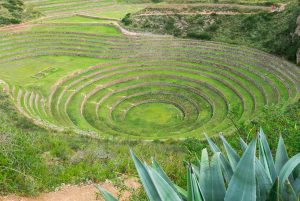
- Extensive agricultural terraces designed in unique geometric forms, some interpreted as symbolic representations of animals such as llamas
- Large ceremonial plazas used for religious rituals and community gatherings
- Residential sectors that were likely divided between elite inhabitants, priests, and workers
- Sophisticated water management systems that channel natural springs through the entire complex
- Sacred temples and administrative buildings that highlight the Inca’s dual political and spiritual structure
Despite ongoing research, a significant portion of Choquequirao remains unexcavated. This incomplete exploration adds a powerful sense of mystery, as archaeologists continue to uncover new terraces, structures, and ceremonial areas hidden beneath dense vegetation.

The Apurímac Canyon: A Landscape of Dramatic Contrasts
One of the most challenging and unforgettable highlights of the Choquequirao trek is the descent into and ascent out of the Apurímac Canyon, one of the deepest and most spectacular canyons in the Americas.
This natural wonder creates a striking contrast of ecosystems and landscapes within a relatively short distance, offering trekkers a constantly changing environment. Along the route, travelers experience:
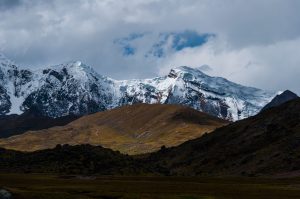
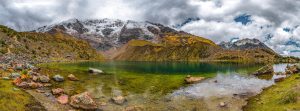
- Towering snow-capped Andean peaks dominating the horizon
- Steep, rugged trails that descend dramatically toward the canyon floor
- Lush cloud forest and subtropical valleys filled with diverse flora and fauna
- The powerful Apurímac River flowing far below, carving its way through the mountains
As altitude shifts rapidly, the environment transforms from high Andean cold to warm, humid jungle-like conditions, creating distinct ecological zones in a single trekking experience. This diversity makes the journey not only physically demanding but also incredibly rich in natural beauty and biodiversity.
Biodiversity Along the Choquequirao Trek
The journey to the Choquequirao Archaeological Park is not only a cultural and historical adventure but also one of the most ecologically diverse trekking experiences in Peru. The trail descends and ascends through several ecological layers, ranging from high Andean landscapes to lush cloud forests, creating a unique and ever-changing natural environment throughout the route.
Wildlife of the Choquequirao Region
Trekkers may encounter a wide variety of Andean wildlife adapted to different altitudes and climates along the trail:
- Andean condor, soaring high above deep canyon walls
- Foxes and deer, often spotted in quieter sections of the trail
- Vizcachas, small rabbit-like rodents commonly seen among rocky areas
- Hummingbirds, especially in flowering zones of the cloud forest
- Eagles and hawks, dominating the skies over the Apurímac canyon
- Mountain partridges and other highland birds, adapted to dry Andean terrain
With a bit of luck and patience, travelers may also notice smaller mammals, butterflies, and a rich diversity of insect life that plays an essential role in the ecosystem.
Flora and Plant Life
The vegetation along the Choquequirao Trek changes dramatically as altitude and humidity vary. This creates an impressive botanical corridor filled with unique species:
- Dense cloud forest vegetation with moss-covered trees and constant mist
- Vibrant orchids and bromeliads, growing on tree trunks and cliffs
- Native queuña (Polylepis) forests, some of the highest-growing trees in the world
- Traditional medicinal plants used by local Andean communities for generations
- Hardy dry Andean grasses and shrubs, adapted to the high-altitude zones
A Constant Ecological Transition
One of the most remarkable aspects of the Choquequirao route is the continuous shift between ecosystems. Hikers begin in dry, rugged Andean terrain and gradually descend into warm valleys before climbing back into misty cloud forests. This constant transition creates a dynamic environment where temperature, vegetation, and wildlife can change within just a few hours of walking.
The result is a trek that feels like crossing multiple worlds in a single journey—making Choquequirao not only an archaeological treasure but also a living showcase of Peru’s extraordinary biodiversity.

Extended time inside Choquequirao
One of the biggest advantages of the 8-day trek is the extended exploration time at Choquequirao Archaeological Park.
Instead of a quick visit, travelers can explore:
- The main ceremonial sector
- Agricultural terrace systems
- Hidden sub-sectors still being uncovered
- Sacred platforms and viewpoints
- Surrounding archaeological trails
This slower pace allows for a deeper understanding of the Inca civilization and the strategic importance of the site.
Remote camping experience in the Andes
The 8-day trek includes multiple nights in remote campsites surrounded by untouched nature.
Travelers experience:
- Silence of the Andean wilderness
- Clear night skies filled with stars
- Minimal light pollution
- Cold high-altitude temperatures
- Immersive connection with nature
Camping in this region is considered one of the most authentic wilderness experiences in Peru.

Physical challenge and altitude
The Choquequirao 8-day trek is physically demanding due to:
- Continuous ascents and descents
- High altitude exposure
- Long hiking distances
- Steep and narrow trails
- Hot and cold microclimates
Despite the difficulty, the journey rewards trekkers with unmatched landscapes and a sense of true adventure.
Proper acclimatization in Cusco is essential before starting the trek.
Cultural connection with Andean communities
Along the route to Choquequirao Archaeological Park, travelers may encounter traditional Quechua-speaking communities that maintain ancestral lifestyles.
These communities practice:
- Alpaca and llama herding
- Traditional weaving techniques
- Subsistence agriculture
- Ancient rituals and beliefs
- Strong cultural identity
This human connection adds cultural depth to the trekking experience.

Why the 8-day Choquequirao trek is unique
Unlike shorter versions, the extended itinerary offers:
- More time to explore the archaeological site
- Reduced daily hiking pressure
- Better acclimatization to altitude
- Deeper immersion in nature
- Greater chance of wildlife observation
- A more spiritual and reflective experience
It is considered the most complete way to experience Choquequirao.
Best season for the Choquequirao Trek
The ideal time to complete the trek is during the dry season (April to October).
During this period:
- Trails are more stable
- Rainfall is minimal
- Visibility is excellent
- River crossings are safer
- Camping conditions are more favorable
The rainy season brings lush landscapes but significantly more difficulty.