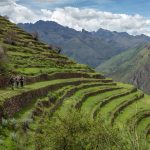

Huchuy Qosqo Trek 3 Days is one of the most scenic and culturally rich short trekking experiences in the Sacred Valley of the Incas. This route leads to the remarkable archaeological site of Huchuy Qosqo, whose name in Quechua means “Little Cusco.” Despite being less known compared to iconic destinations like Machu Picchu or Sacsayhuamán, this Inca site played an important role in the region’s history and offers impressive terraces, stone structures, and panoramic views over the Sacred Valley.
The trek itself is a perfect combination of adventure and cultural immersion. Over three days, hikers pass through high-Andean landscapes, mountain passes, lagoons, and remote traditional communities where Quechua culture is still alive and well preserved. Along the way, travelers can enjoy changing ecosystems, from cold highlands to fertile valley scenery, making each stage of the journey unique.
This trek is an excellent alternative for those looking for an authentic Andean experience without the intensity of longer routes. It offers a balanced mix of history, nature, and local interaction, making it ideal for travelers who want to explore beyond the typical tourist paths in Cusco.

Summary
Where is Huchuy Qosqo located?
The Huchuy Qosqo Archaeological Site is located in the Sacred Valley of the Incas, perched on a mountain overlooking the Urubamba Valley in the Cusco region.
It sits at more than 3,600 meters (11,800 ft) above sea level, offering panoramic views of the Andes, agricultural valleys, and distant snow-capped peaks.
Access is only possible via trekking routes that pass through high-altitude communities, lakes, and mountain passes.

Stunning landscapes along the Huchuy Qosqo trek
One of the highlights of this route is its incredible scenic diversity.
Throughout the trek, hikers experience:
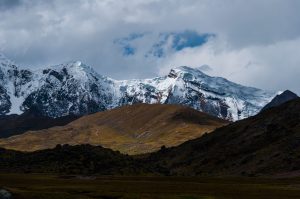
- Snow-capped peaks of the Sacred Valley
- Crystal-clear high-altitude lakes
- Vast Andean grasslands (puna)
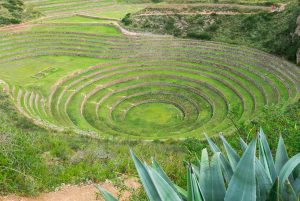
- Inca agricultural terraces
- Queuña forests in higher zones
- Panoramic views of the Urubamba River valley
The constant change in scenery makes every section of the trek visually rewarding.

Living culture along the route
The route to Huchuy Qosqo Archaeological Site is not only about nature—it is also a journey through living Andean culture.
Along the way, visitors may encounter local communities that preserve ancient traditions such as:
- Terrace farming techniques
- Alpaca and llama herding
- Quechua language and customs
- Traditional weaving and textiles
- Local agricultural festivals
- Adobe rural architecture
This cultural immersion adds deep value to the trekking experience.
Qoricocha Lake: a hidden treasure along the trail
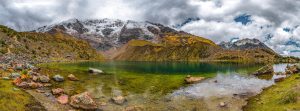
One of the most impressive natural highlights along this trekking route is Qoricocha Lake, a serene high-altitude lagoon nestled deep within the Andes. Surrounded by rugged mountains and open landscapes, it offers a rare sense of peace and isolation that makes the journey even more memorable.
Visitors are often amazed by:
- Its crystal-clear waters that mirror the sky and surrounding peaks
- The quiet, untouched environment far from urban life
- Its spiritual meaning in Andean traditions, where lakes are considered sacred natural spirits (*apus and cochas)
- The breathtaking reflections of snowcapped mountains on calm days
- A fragile but rich ecosystem adapted to high-altitude conditions
This spot is ideal not only for resting after a challenging hike, but also for photography, meditation, and connecting with the natural energy of the Andes.

Historical significance of Huchuy Qosqo
In the Inca period, Huchuy Qosqo played a key strategic and administrative role within the Sacred Valley. Its elevated position allowed it to oversee important routes connecting Cusco with surrounding regions.
Historians believe it served multiple purposes, including:
- A regional administrative center for controlling nearby settlements
- A royal estate possibly used by Inca nobility for residence and retreat
- A strategic lookout point to monitor trade and communication routes
- A productive agricultural hub supporting nearby populations
- A connecting point between Cusco and the Sacred Valley network
Its location made it both a defensive stronghold and an efficient center for managing resources. Today, it remains an important archaeological site that helps us understand the complexity and organization of the Inca civilization.