
Inca Trail Trek 3 Days is one of the ways to discover this wonder, following the ancient network of roads built by the Incas centuries ago. Combining breathtaking mountain scenery, fascinating archaeological sites, cloud forests, and rich cultural heritage, this trek offers travelers an unforgettable journey through the heart of the Peruvian Andes.
For those who want to experience the essence of the Classic Inca Trail but with a slightly shorter adventure, the 3-Day Inca Trail provides the perfect balance between trekking, history, and nature. Along the route, hikers follow original stone pathways, visit hidden Inca ruins, and immerse themselves in landscapes that have remained virtually unchanged since the time of the Inca Empire.
Recognized as one of the most iconic hiking experiences in the world, the Inca Trail Trek 3 Days allows travelers to connect with Peru’s ancient past while enjoying some of South America’s most spectacular natural scenery.


A Journey Through the Spectacular Andes
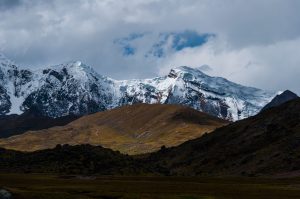
One of the most remarkable aspects of the Inca Trail Trek 3 Days is the incredible variety of landscapes encountered along the route.
Travelers pass through:
- High Andean mountains
- Lush cloud forests
- Deep valleys
- Mountain rivers
- Rocky ridges
- Native vegetation zones
Each section of the trail reveals a different side of Peru’s natural beauty, creating a constantly changing and exciting trekking experience.
Discovering Ancient Inca Sites Along the Trail
One of the most fascinating aspects of the Inca Trail is the opportunity to explore a series of archaeological sites that remain inaccessible to most visitors traveling directly to Machu Picchu by train. These ancient complexes were once important stopping points along the vast network of Inca roads that connected the empire.
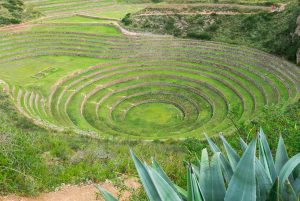
Among the most remarkable sites found along the route are Wiñay Wayna and Intipata, both of which showcase the impressive architectural and agricultural achievements of the Incas. Hikers will also encounter beautifully preserved stone stairways, ceremonial spaces, residential sectors, and agricultural terraces that cling dramatically to the mountainsides.
These archaeological remains provide a unique glimpse into the ingenuity of the Inca civilization, revealing how they adapted to challenging terrain while maintaining efficient communication, agriculture, and religious practices throughout the Andes.
Biodiversity Within the Historic Sanctuary of Machu Picchu
The Inca Trail passes through part of the protected ecosystem of the Historic Sanctuary of Machu Picchu, an area recognized by conservationists and researchers for its extraordinary biological diversity. The sanctuary protects thousands of hectares of mountains, forests, rivers, and wildlife habitats.
Rich Flora Along the Route
Plant lovers will find an impressive variety of vegetation throughout the trek. The changing altitudes create ideal conditions for numerous species to thrive.
Common flora includes:
- Hundreds of orchid species
- Bromeliads and flowering plants
- Native shrubs and trees
- Ferns of various sizes
- Medicinal plants traditionally used by local communities
- Mosses and lichens that blanket the forest
During certain seasons, colorful blooms add vibrant shades of purple, yellow, red, and white to the landscape.
Wildlife Encounters on the Trail
The sanctuary is also home to an impressive collection of wildlife. Although some animals are difficult to spot due to the dense vegetation, attentive hikers may encounter a variety of fascinating species.
Wildlife found in the region includes:
- Hummingbirds and nectar-feeding birds
- Colorful tanagers
- Dozens of butterfly species
- Native Andean birds
- The iconic Andean Cock-of-the-rock
- Small mammals adapted to mountain environments
- Reptiles and amphibians unique to the cloud forest
With a bit of luck, hikers may even notice signs of larger wildlife such as the elusive Andean bear, one of the most emblematic species protected within the sanctuary.
The remarkable combination of history, culture, and biodiversity makes the Inca Trail much more than a hike to Machu Picchu. It is a journey through one of South America’s most important cultural landscapes, where ancient Inca heritage and extraordinary natural beauty coexist in perfect harmony.

The Enchanting Cloud Forest of the Inca Trail
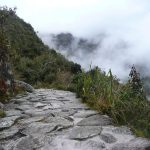
As hikers descend toward Machu Picchu, the landscape gradually transforms into a lush cloud forest ecosystem. This region is one of the most magical sections of the trail, where dense vegetation and mist-covered mountains create an atmosphere unlike anywhere else in the Andes.
The cloud forest is characterized by:
- Abundant greenery throughout the year
- Constant mountain mist and humidity
- Diverse orchid species
- Giant ferns and moss-covered trees
- Small streams and waterfalls
- Spectacular views of deep valleys and rugged peaks
The moisture-rich environment supports a wide variety of plant and animal life, making every section of the trail feel alive with color and movement. The combination of ancient stone pathways emerging from the forest and the surrounding natural beauty creates an unforgettable trekking experience.
Many travelers consider this section one of the highlights of the journey, as it offers a striking contrast between the high Andean mountains and the tropical vegetation that surrounds Machu Picchu.