
Manu Tour 4 Days is an unforgettable journey from the Andes Mountains to the Amazon rainforest, discovering Peru’s incredible biodiversity. Manu National Park offers a unique experience surrounded by incredible biodiversity, wild landscapes, and authentic jungle environments.
This 4-day expedition allows travelers to explore one of the most important protected areas in the world, where nature remains pure and untouched. During the trip, you will discover beautiful rainforest trails, observe exotic wildlife, enjoy the sounds of the jungle, and experience the magic of the Amazon.
The Manu region is home to a great variety of animals, colorful birds, plants, and ecosystems that make every moment of the adventure special. Beyond the landscapes, visitors can learn about local traditions and the connection between indigenous communities and the rainforest.
Manu Tours 4 Days is not only a trip; it is a true exploration through the heart of the Amazon, creating unforgettable memories for travelers searching for adventure, nature, and a deeper connection with Peru’s wild side.

Summary
Where is Manu National Park located?
The Manu National Park is located in southeastern Peru, between the regions of Cusco and Madre de Dios.
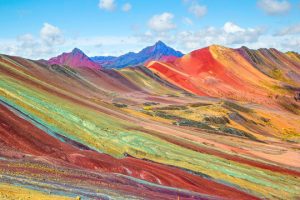
This enormous protected area covers different ecological zones, ranging from the high Andes to the lowland Amazon rainforest.
Its territory includes:
- Cloud forests
- Tropical mountains
- High jungle ecosystems
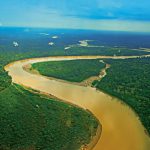
- Amazon rainforest
- Rivers and natural lagoons
Because of this incredible variety of environments, Manu is considered one of the most biologically diverse places on the planet.
Manu: A Natural Paradise of Unmatched Biodiversity
The Manu National Park is considered one of the most important wildlife reserves on the planet, thanks to its incredible variety of ecosystems and species. Located between the Andes Mountains and the Amazon rainforest, Manu protects one of the richest natural environments in Peru.
This protected area is home to an amazing diversity of life, including:
- More than 1,000 species of birds
- A great variety of mammals such as monkeys, jaguars, and spectacled bears
- Different species of reptiles, amphibians, and insects
- Thousands of native plants and trees from the Amazon ecosystem
- Rare and endemic species that are still being researched
The unique geography of Manu creates different habitats, from high-altitude forests to tropical lowland jungles, allowing thousands of species to coexist in one place.
For travelers who love wildlife, photography, and adventure, Manu offers an unforgettable experience surrounded by untouched nature. It is a destination where every trail reveals new discoveries and where the Amazon shows its true beauty.

Where the Andes Meet the Amazon
One of the most unique characteristics of Manu is the natural connection between two completely different worlds:
The Andes Mountains and the Amazon Basin.
This meeting point creates one of the richest ecosystems in South America, where:
- Mountains feed Amazon rivers
- Plants adapt to different elevations
- Animals move between habitats
- Forest ecosystems connect naturally
This ecological transition is what makes Manu such a special destination.
The Manu Tour 4 Days Experience: A Journey into the Peruvian Amazon
The 4-day Manu Tour is an immersive experience designed for travelers who want to discover the most fascinating ecosystems of the Amazon region.
Throughout the journey, visitors experience dramatic landscape changes:
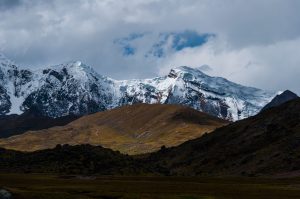
- High Andean mountain roads
- Misty cloud forests
- Tropical valleys
- Deep Amazon rainforest
One of the most incredible parts of the trip is watching the environment transform from cold mountain landscapes into the warm, humid, and vibrant rainforest.

The Amazing World of Amazon Birds
One of the most spectacular experiences in Manu is observing large groups of colorful birds.
Macaws and parrots often gather in special locations known as:
Clay Licks
These natural clay walls contain minerals that birds consume as part of their diet.
This incredible phenomenon shows the complex relationship between wildlife and the Amazon ecosystem.
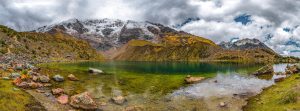
The Landscapes of Manu: From Mountains to Deep Jungle