

Summary
Where is the Qeswachaka Inca Bridge located?
The Qeswachaka Inca Bridge is located in the Canas Province of the Cusco region, in southern Peru. This remote area of the Andes is known for its dramatic natural landscapes, including deep canyons, high-altitude plains, small lagoons, and traditional Quechua communities that continue to preserve ancestral customs.
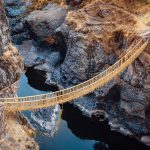
The bridge spans the powerful Apurímac River canyon, one of the most important river systems in the Andes. Over thousands of years, the river has carved a deep gorge through the mountains, creating a spectacular setting where nature and ancient engineering meet. The surrounding altitude is approximately 3,700 meters (12,100 feet) above sea level, offering cold mountain air and panoramic views of the highlands.
Qeswachaka: the last living Inca rope bridge
Qeswachaka is considered the last surviving traditional Inca rope bridge in the world that is still rebuilt and used every year. It represents a living example of Inca engineering and cultural heritage that has been preserved for centuries without interruption.
Every year, local Quechua communities from four surrounding villages come together to reconstruct the bridge in a communal tradition. They use ichu grass (a native Andean straw) to hand-braid thick ropes, which are then carefully woven into a suspension bridge. The entire process follows ancient techniques passed down orally from generation to generation, with no modern tools such as steel or cement.
The reconstruction is not only a practical necessity but also a powerful cultural event that reinforces community identity, cooperation, and respect for nature. This tradition has gained international recognition and was declared by UNESCO as Intangible Cultural Heritage of Humanity, highlighting its global cultural importance.
Today, Qeswachaka stands as a rare living link to the Inca past, offering visitors a unique glimpse into Andean history, engineering, and spiritual connection with the land.

The ancestral engineering behind the bridge
The structure of the Qeswachaka Inca Bridge demonstrates extraordinary Andean engineering knowledge.
Its main features include:
- Handwoven ichu grass ropes
- No use of metal or modern materials
- Natural stone anchoring points
- Flexible suspension system
- Lightweight yet strong construction
This system allows the bridge to withstand wind, movement, and seasonal environmental changes, showcasing the ingenuity of Inca engineering traditions.
The annual renewal ceremony
One of the most important cultural traditions of the Qeswachaka Inca Bridge is its yearly reconstruction.
Each June, four Quechua communities gather to rebuild the bridge in a collective effort based on the Andean principle of ayni (reciprocal work).
The process includes:
- Harvesting ichu grass
- Twisting and weaving the main cables
- Reconstructing the bridge structure
- Performing rituals to Pachamama (Mother Earth)
- Celebrating with traditional music and dances
This ceremony represents unity, cultural continuity, and respect for ancestral knowledge.

Landscapes Along the Qeswachaka Route
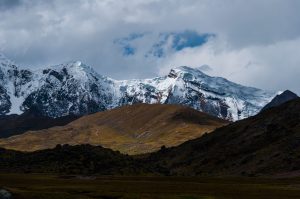
The full-day journey to the Qeswachaka Inca Bridge offers one of the most authentic scenic experiences in the southern Andes of Peru. The route passes through remote high-altitude territories where nature remains largely untouched and traditional rural life continues as it has for centuries.
Throughout the trip, travelers encounter a remarkable variety of landscapes, including:
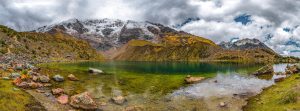
- Turquoise high-altitude lagoons, often formed by glacial meltwaters, reflecting the sky and surrounding peaks
- Wide Andean grasslands (puna), where ichu grass dominates the open plains and alpacas and llamas graze freely
- Volcanic and rocky mountain formations, shaped by ancient geological activity and erosion over time
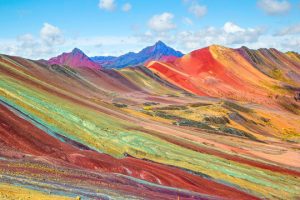
- High plateaus and vast open spaces, offering panoramic views of the Andes with minimal human presence
- Deep valleys and dramatic canyons, carved by rivers that continue to shape the landscape
The constant change in altitude, climate, and scenery makes the journey especially dynamic. Quietness is one of the most striking elements of the route, interrupted only by wind, flowing water, and occasional wildlife. This natural silence enhances the feeling of isolation and connection with the Andean world.
Living Culture in the Qeswachaka Region
Beyond its landscapes, the Qeswachaka area is equally important for its cultural significance. The surrounding communities are part of a living heritage that preserves ancient Inca traditions and continues to pass them from generation to generation.
Daily life in these communities is based on deeply rooted cultural practices such as:
- Quechua language and identity, which remains the primary means of communication in many villages
- Traditional agriculture, including the cultivation of potatoes, quinoa, and native crops adapted to high-altitude conditions
- Livestock herding, especially alpacas and llamas, which are essential for food, textiles, and trade
- The principle of ayni, a system of reciprocity where community members support each other in farming, construction, and daily tasks
- Spiritual connection to nature (Pachamama), where mountains, rivers, and landforms are considered sacred
- Ancestral building techniques, most famously demonstrated in the annual reconstruction of the Qeswachaka rope bridge
Visiting this region offers more than a scenic experience—it provides a rare opportunity to witness a living cultural landscape. Unlike many archaeological sites, Qeswachaka is not only a memory of the Inca past, but a continuation of it, actively maintained by the local communities who keep their traditions alive today.
The Apurímac River Canyon
The Apurímac River Canyon is one of the most dramatic natural features in the region.
This deep canyon has been carved over millions of years by the powerful Apurímac River, creating steep cliffs and rugged landscapes.
Key characteristics include:
- Extremely deep canyon walls
- Fast-flowing river currents
- Sharp geological formations
- Diverse microclimates
The Qeswachaka bridge spans this impressive natural formation, creating one of the most iconic views in the Andes.