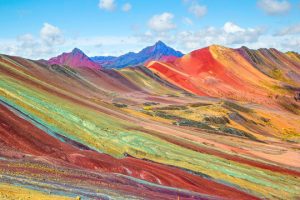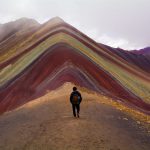

Rainbow Mountain Hike Full Day is one of the most unforgettable experiences for travelers who love exploring the stunning Red Valley of Cusco. Known locally as Vinicunca, this extraordinary mountain rises above 5,000 meters (16,400 feet) and is famous for its vibrant layers of red, yellow, green, and turquoise colors, created by mineral deposits over millions of years.
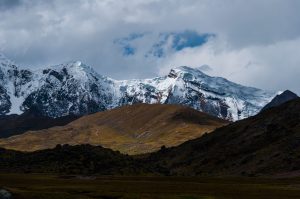
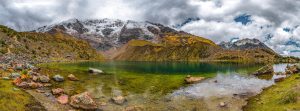
The adventure takes visitors through the stunning landscapes of the Peruvian Andes, where snow-capped peaks, vast valleys, and herds of alpacas create a truly spectacular setting. Along the route, hikers can also observe traditional Andean communities that continue to preserve their ancestral customs and way of life.
Reaching the summit is rewarded with breathtaking panoramic views of Rainbow Mountain and the surrounding mountain ranges, making it one of the most photographed destinations in Peru. Combining natural beauty, adventure, and authentic Andean scenery, the Rainbow Mountain Hike Full Day is a must-do experience for anyone visiting Cusco.

Summary
What is Rainbow Mountain?
The famous Vinicunca is a unique geological formation characterized by its spectacular rainbow-like appearance.
Millions of years ago, layers of marine, lacustrine, and mineral sediments accumulated in the region. Over time, tectonic activity associated with the formation of the Andes Mountains lifted these deposits high above sea level.
Today, the mountain displays an incredible variety of colors created by different mineral compositions:
- Red layers from iron oxide deposits
- Yellow tones from sulfur-rich minerals
- Green shades from copper compounds
- Brown and earthy colors from iron-rich sediments
- White bands from quartz and sandstone
- Purple and pink hues from complex mineral mixtures
This extraordinary combination of colors has made Rainbow Mountain one of the most remarkable natural attractions in the world.
The Natural Formation of Rainbow Mountain
Rainbow Mountain’s vibrant appearance is the result of a remarkable geological process that unfolded over millions of years.
Ancient layers of sediment, rich in various minerals, gradually accumulated beneath prehistoric bodies of water. As the Andes Mountains formed through powerful tectonic activity, these colorful layers were lifted thousands of meters above sea level.
Over time, natural forces such as wind, rainfall, ice, and erosion slowly uncovered the mineral bands, revealing the striking red, yellow, green, and orange hues visible today.
This unique combination of geology and climate created one of the world’s most extraordinary mountain landscapes, making Vinicunca a fascinating destination not only for travelers but also for scientists, photographers, and outdoor enthusiasts seeking to witness a truly exceptional natural wonder.


Spectacular landscapes along the Rainbow Mountain hike
The Rainbow Mountain experience is about much more than reaching a viewpoint.
Throughout the journey, visitors encounter some of the most impressive landscapes in the Andes, including:
- Vast mountain valleys
- Glacier-fed streams
- Rolling highland plains
- Snow-covered peaks
- Colorful geological formations
- Traditional grazing lands
The scenery constantly changes, creating an unforgettable visual experience from beginning to end.
Wildlife and Natural Diversity Around Rainbow Mountain
Although the high-altitude terrain may appear rugged and unforgiving, the region surrounding Vinicunca supports a surprising variety of wildlife and native vegetation.
Wildlife You May Encounter
As you hike through the Andean landscapes, it is common to spot:
- Graceful vicuñas roaming freely across the plains
- Herds of alpacas and llamas cared for by local families
- Vizcachas resting among rocky outcrops
- Majestic Andean condors soaring above the valleys
- Falcons and other birds adapted to high elevations
These animals have evolved to thrive in one of the most demanding environments on Earth.
Unique High-Andean Flora
The vegetation found in the region is specially adapted to cold temperatures, strong winds, and intense sunlight. Common plant species include:
- Ichu grass, which blankets much of the landscape
- Native shrubs that survive in poor soils
- Traditional medicinal plants used by Andean communities
- Seasonal wildflowers that add color during the rainy season
- Hardy vegetation capable of withstanding extreme weather conditions
Together, the region’s wildlife, plant life, and spectacular mountain scenery create a remarkable ecosystem that makes the Rainbow Mountain trek much more than a colorful destination—it is a journey into the heart of the Peruvian Andes.

Rainbow Mountain and Andean culture
The region surrounding Vinicunca remains deeply connected to traditional Andean culture.
Local communities continue to preserve customs and traditions that have been passed down for generations.
These traditions include:
- Traditional farming practices
- Alpaca and llama herding
- The Quechua language
- Community celebrations
- Respect for sacred mountains
Visitors often gain valuable insight into the enduring relationship between Andean people and their environment.

Best time to visit Rainbow Mountain
The dry season, from April through October, generally provides the best conditions for exploring Vinicunca.
During these months:
- Skies are usually clear
- Visibility is excellent
- Rainfall is minimal
- Mountain colors appear more vibrant
- Photography conditions are ideal
Although Rainbow Mountain can be visited throughout much of the year, the dry season typically offers the most reliable weather.
Sustainable tourism at Rainbow Mountain
As visitor numbers continue to grow, protecting the fragile environment of Rainbow Mountain has become increasingly important.
Responsible travelers can help preserve the region by:
- Staying on designated trails
- Respecting local communities
- Avoiding littering
- Protecting wildlife
- Supporting sustainable tourism initiatives
These practices help ensure that future generations can continue to enjoy this extraordinary destination.