
Sacred Valley Full Day is one of the most popular tours, offering travelers the opportunity to discover the rich history of the ancient Inca Empire. Surrounded by majestic mountains and crossed by the Urubamba River, the Sacred Valley was an important agricultural and cultural center for the Incas.
Throughout the journey, visitors can explore impressive archaeological sites, ancient agricultural terraces, and charming Andean villages that have preserved their traditions for centuries. The valley’s stunning landscapes, colorful markets, and fascinating history make every stop a unique experience.
A Sacred Valley Full Day tour is the perfect opportunity to learn about Inca culture, enjoy spectacular views of the Andes, and experience the authentic spirit of the Peruvian highlands. It is an essential destination for anyone visiting Cusco and preparing for the journey to Machu Picchu.

Summary
Where is the Sacred Valley of the Incas located?
The Sacred Valley of the Incas stretches between the city of Cusco and Machu Picchu, following the course of the Urubamba River.
The valley sits at a lower altitude than Cusco, offering a warmer climate and highly fertile soil. These favorable conditions made it one of the most productive agricultural regions of the Inca Empire.
Today, the Sacred Valley is celebrated for its unique combination of archaeological heritage, traditional culture, and stunning natural beauty.
Pisac: The Gateway to the Sacred Valley’s Inca Legacy
Nestled high above the valley floor, Pisac stands as one of the most remarkable archaeological treasures of the Sacred Valley. This extraordinary site offers visitors a fascinating glimpse into the ingenuity and vision of the Inca civilization, combining breathtaking landscapes with impressive architectural achievements.
The archaeological complex is distinguished by its extensive network of agricultural terraces that cascade down the mountainsides, demonstrating how the Incas transformed challenging terrain into productive farmland. Visitors can also explore ceremonial structures, finely crafted stonework, ancient residential sectors, and an intricate system of water channels that once supported daily life and religious activities.
One of Pisac’s most striking features is its collection of hillside tombs, carefully built into the rocky cliffs overlooking the valley. These ancient burial sites provide valuable insight into Inca funerary practices and their deep spiritual connection with the surrounding environment.
Beyond the archaeological site, the charming town of Pisac is known for its rich cultural atmosphere. Travelers can wander through traditional markets, discover handcrafted textiles and jewelry, and experience the living traditions that continue to thrive in this historic Andean community.
Today, Pisac remains an essential stop for visitors exploring the Sacred Valley, offering a unique blend of history, culture, and spectacular scenery that reflects the enduring legacy of the Inca Empire.

Why was the Sacred Valley so important to the Incas?
The Sacred Valley earned its name because of its enormous significance to the Inca civilization.
Several factors contributed to its importance:
- Large-scale agricultural production
- Favorable climate throughout much of the year
- Abundant water supplied by Andean glaciers
- Strategic connection between Cusco and the Amazon region
- Presence of major ceremonial and administrative centers
The valley served as one of the primary agricultural hubs that supplied food to the Inca capital and surrounding territories.

Spectacular landscapes of the Sacred Valley
One of the most captivating features of the Sacred Valley is its extraordinary scenery.
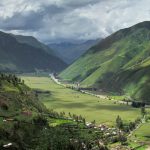
The region is surrounded by towering mountains, fertile farmland, and ancient agricultural terraces that are still used by local communities today.
Visitors can admire:
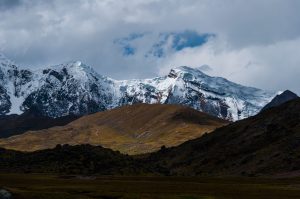
- Snow-capped peaks in the distance
- Traditional farming landscapes
- Rivers winding through the valley
- Ancient agricultural terraces
- Charming Andean villages
The combination of nature and cultural heritage creates one of the most beautiful landscapes in South America.
Moray: The Ingenious Agricultural Experiment of the Incas
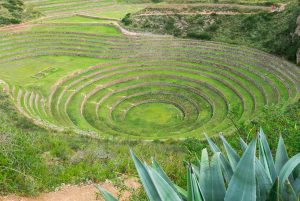
Nestled in the heart of the Sacred Valley, Moray is one of the most remarkable archaeological sites left behind by the Inca civilization. Known for its impressive concentric circular terraces, Moray showcases the Incas’ extraordinary understanding of agriculture, engineering, and environmental adaptation.
The unique design of the terraces creates significant temperature variations between the upper and lower levels, generating a range of microclimates within a single complex. This innovative system allowed the Incas to cultivate and observe different plant species under varying conditions, helping them identify the most suitable crops for diverse regions of their vast empire.
Many historians and archaeologists believe that Moray served as an agricultural experimentation center where the Incas tested cultivation methods, crop resilience, and soil management techniques. The site demonstrates the advanced scientific knowledge that contributed to the success of Inca agriculture across the Andes.
Today, Moray is one of the most visited attractions in the Sacred Valley, offering travelers a unique opportunity to explore the ingenuity of the Inca people while enjoying breathtaking views of the surrounding Andean landscape. Its mysterious beauty and historical significance make it an essential stop for anyone interested in the legacy of ancient Peru.