
Sacred Valley VIP Full Day is one of the most complete, comfortable, and exclusive ways to explore the heart of the Andean world in a single day. This premium experience is designed to showcase the most important highlights of the Sacred Valley of the Incas in a more complete, comfortable, and immersive way. Compared to standard tours, it offers better organization, smoother logistics, and a slower travel pace, allowing visitors to truly enjoy each destination without rush.
The Sacred Valley, located between Cusco and Machu Picchu, was one of the most significant regions of the Inca Empire. Its importance came from its fertile lands, which were essential for agriculture, its strategic location that connected different regions of the empire, and its mild climate that allowed year-round cultivation. It is also home to impressive archaeological sites, traditional Andean villages, and breathtaking mountain landscapes.
This VIP experience not only focuses on the historical and archaeological richness of the valley but also provides a closer look at the living culture of the Andean communities. Travelers can appreciate local traditions, textile craftsmanship, and ancient customs that are still preserved today. With enhanced service quality and a more personalized approach, this journey becomes a deeper and more meaningful way to experience the Sacred Valley.

Summary
What is the Sacred Valley VIP Full Day?
The Sacred Valley VIP Full Day is a high-end cultural tour that explores the most important archaeological and cultural sites of the Sacred Valley in a single day, with enhanced comfort, reduced travel fatigue, and carefully selected stops.
Unlike standard group tours, the VIP version typically includes:
- Smaller groups for a more personalized experience
- More comfortable and modern transportation
- Optimized travel routes with less time on the road
- Longer and more meaningful visits at each site
- Improved culinary experience
- Curated cultural stops with higher value
It is ideal for travelers who want to maximize their time in Cusco without sacrificing depth or quality.
Pisac: Inca Terraces and Traditional Market
One of the most remarkable highlights along the Sacred Valley is the Pisac Archaeological Complex, an impressive site that combines history, engineering, and culture in one destination.
Pisac is especially famous for its extensive agricultural terraces that stretch across the mountainside. These terraces were carefully designed by the Incas to adapt to the steep Andean geography, allowing efficient farming while also preventing soil erosion and managing water distribution. This system reflects the Incas’ deep understanding of nature and sustainable agriculture.
In addition to its agricultural importance, Pisac also functioned as a strategic religious, ceremonial, and astronomical center. Many structures within the site are believed to have been used for rituals and observations of the stars, highlighting the spiritual connection the Incas had with the cosmos and the surrounding landscape.
The archaeological site also features temples, residential areas, and lookout points that offer stunning panoramic views of the Sacred Valley.
Below the ruins, the modern town of Pisac is famous for its vibrant traditional market, one of the most colorful in the region. Here visitors can experience authentic Andean culture and find a wide variety of handmade products, including:
- Colorful handwoven textiles made with traditional techniques
- Silver jewelry crafted by local artisans
- Ceramic pieces inspired by Inca designs
- Musical instruments such as panpipes and drums
- Fresh organic produce and natural products from nearby communities
Today, Pisac represents a perfect blend of ancient Inca heritage and living Andean traditions, making it a must-visit destination for travelers exploring the Sacred Valley.

The Sacred Valley: heart of the Inca Empire
The Sacred Valley of the Incas was one of the most important regions of the Andes due to its fertile soil, mild climate, and strategic connection between Cusco and Machu Picchu.
The Incas considered this valley sacred because it:
- Produced essential crops like corn and potatoes
- Connected major ceremonial and political centers
- Linked Cusco with Machu Picchu and other Inca sites
- Held strong spiritual significance in Andean cosmology
Today, the valley remains home to living communities that preserve ancient traditions and cultural identity.
Ollantaytambo: the living Inca fortress
The archaeological site of Ollantaytambo Archaeological Park is one of the most important Inca complexes in Peru.
It served as:
- A military fortress
- A ceremonial center
- A strategic control point
- A living Inca city
Its massive stone terraces and unfinished Temple of the Sun showcase the extraordinary engineering skills of the Inca civilization.
Even today, Ollantaytambo is one of the few continuously inhabited Inca towns in the world.
Urubamba: The Heart of the Sacred Valley
The journey continues through Urubamba, one of the most important towns in the Sacred Valley of the Incas, located between Cusco and Machu Picchu. Its central position makes it both a geographical and cultural hub for travelers exploring the region.
Urubamba is well known for its mild, spring-like climate throughout the year, which contrasts with the colder high-altitude areas of Cusco. This pleasant weather supports rich agricultural activity, making the valley one of the most fertile zones in the Andes.
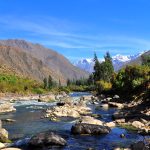
The surrounding landscapes are dominated by impressive mountain ranges, green valleys, and the Urubamba River, which flows through the region and gives life to its farmlands. Local communities continue ancestral farming traditions, cultivating crops such as potatoes, quinoa, and especially the famous giant white corn of Cusco, which is a key ingredient in traditional dishes and beverages.
Beyond agriculture, Urubamba has developed into an important tourist base, offering a wide range of accommodations, from boutique hotels to luxury resorts, as well as high-quality restaurants serving both local and international cuisine. Many travelers choose to stay here for its calm atmosphere, natural beauty, and accessibility to nearby archaeological sites such as Ollantaytambo and Maras.
Thanks to its strategic location, Urubamba is also considered an ideal stop for acclimatization before continuing journeys toward Machu Picchu, especially for those trekking through the Sacred Valley routes.

Gastronomy in the Sacred Valley VIP experience
A key difference of the VIP version is the enhanced culinary experience.
Travelers can enjoy:
- Contemporary Peruvian cuisine
- Gourmet Andean buffets
- Organic local ingredients
- Vegetarian and healthy options
- Traditional dishes such as quinoa, corn, and trout
The Sacred Valley is considered one of Peru’s richest culinary regions due to its agricultural diversity.
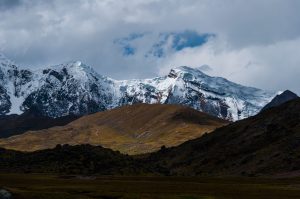
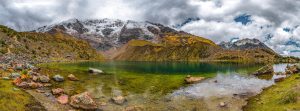
Landscapes of the Sacred Valley of the Incas
The Sacred Valley offers one of the most stunning landscapes in the Andes.
Visitors can admire:
- Snow-capped mountains on the horizon
- Sacred rivers flowing through the valley
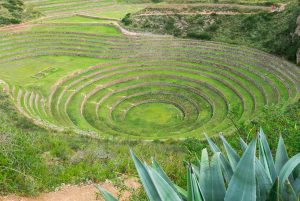
- Ancient agricultural terraces
- Fertile green fields
- Deep blue Andean skies
This unique combination of nature and history made the valley one of the most important regions of the Inca Empire.
Chinchero: Living Culture and Ancient Textile Heritage
The final cultural stop is the Chinchero Archaeological Site, a traditional high-Andean village located at over 3,700 meters above sea level. It is widely known for its strong cultural identity, stunning mountain landscapes, and one of the most authentic textile traditions in the Andes.
Chinchero is a fascinating place where past and present coexist, combining:
- Extensive Inca archaeological remains, including terraces, ceremonial spaces, and ancient walls
- A colonial church built in the 17th century directly over Inca foundations, symbolizing the fusion of cultures
- Living Quechua communities who continue to preserve their ancestral language, customs, and lifestyle
- Traditional weaving centers where families pass down textile knowledge through generations
One of the highlights of Chinchero is its vibrant textile tradition. Local women demonstrate ancient techniques of spinning alpaca and sheep wool, using natural dyes extracted from plants, minerals, and even insects like cochineal. These handcrafted textiles are not only artistic expressions but also carry deep cultural meaning, representing Andean cosmology and identity.
Visiting Chinchero offers travelers an immersive cultural experience, allowing them to connect with living Inca heritage while enjoying breathtaking views of the Sacred Valley and surrounding snow-capped mountains.

Cultural importance of the Sacred Valley
The Sacred Valley is not only a tourist destination but also a living cultural landscape.
Local communities continue to preserve:
- Traditional agriculture
- The Quechua language
- Andean festivals and rituals
- Ancient farming techniques
- Handcrafted textile traditions
The VIP experience allows travelers to witness this living culture in a more immersive and comfortable way.
Best time to visit the Sacred Valley
The best season to explore the Sacred Valley is the dry season, from April to October.
During these months:
- Weather is more stable
- Skies are clearer
- Rainfall is minimal
- Photography conditions are ideal
- Travel conditions are more comfortable
The rainy season (November to March) brings greener landscapes but also more unpredictable weather.

Why choose the Sacred Valley VIP Full Day?
This experience is ideal for travelers who want:
- More comfort during the journey
- Less time in transit
- Higher quality service
- Better-organized visits
- A deeper cultural experience
- Efficient use of time in Cusco
It is perfect for premium travelers or those with limited time in the region.
Sacred Valley VIP Full Day: a premium journey through the heart of the Inca world
The Sacred Valley VIP Full Day is one of the best ways to experience the essence of the Sacred Valley of the Incas in a single day.
It combines history, living culture, breathtaking landscapes, and premium service, offering a more comfortable and meaningful way to explore the Andean world.
To travel through the Sacred Valley is to step into the legacy of the Inca Empire and witness communities that continue to preserve their ancestral traditions in one of the most spectacular landscapes on Earth.