
Summary
Inca Trail, Peru’s most iconic hiking route. Learn about its history, breathtaking landscapes, Inca engineering, biodiversity, and why it remains one of the world’s greatest trekking experiences.

The Inca Trail: A Journey Through History, Nature, and Living Heritage
Some hiking trails are famous for their scenery. Others are admired for their difficulty. The Inca Trail stands apart because it offers something far greater: the opportunity to walk the very paths once traveled by the Inca civilization. Every stone, staircase, and mountain pass tells a story that has survived for centuries, making this one of the most meaningful trekking experiences anywhere in the world.
Rather than simply leading visitors to Machu Picchu, the Inca Trail reveals how an ancient empire connected its people through an extraordinary network of roads that stretched across the Andes. It is a journey where history and nature exist in perfect harmony, creating an adventure that continues to inspire travelers from every corner of the globe.
More Than a Hiking Trail
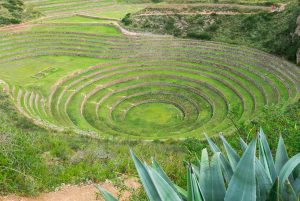
The Inca Trail is not just a route through the mountains—it is an open-air museum built by one of the greatest civilizations in South America. Along the way, hikers encounter original stone pathways, agricultural terraces, ceremonial sites, and impressive engineering works that have endured earthquakes, heavy rains, and centuries of change.
The precision with which the Incas designed these roads demonstrates an exceptional understanding of architecture, drainage, and the surrounding environment. Even today, many sections remain remarkably intact, reflecting the ingenuity of a civilization that built without modern machinery.
Walking these ancient paths offers a rare opportunity to experience history not from behind a museum display, but beneath your own feet.

A Landscape That Never Stops Changing
One of the greatest attractions of the Inca Trail is its incredible variety of landscapes. As the route crosses the Andes, every stage introduces a different natural environment, creating a journey filled with constant visual transformation.
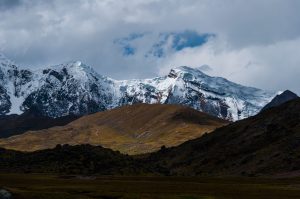
Snow-capped peaks rise above deep valleys, rivers carve their way through dramatic canyons, and dense cloud forests blanket the mountains with vibrant vegetation. Native orchids bloom along the trail, while ancient trees covered in moss create an atmosphere that feels almost untouched by time.
This remarkable diversity makes the Inca Trail one of the most scenic trekking routes in South America.
The Engineering Genius of the Incas
Long before modern surveying equipment existed, Inca engineers created one of the largest transportation systems in the ancient world.
The trail follows carefully designed routes that adapt naturally to steep mountains, rocky cliffs, and changing weather conditions. Stone staircases, retaining walls, drainage channels, and bridges were strategically built to ensure durability and safety across difficult terrain.
Many of these original structures continue to function centuries later, proving the extraordinary knowledge of the Inca civilization and their deep respect for the surrounding landscape.
Wildlife and Biodiversity Along the Trail
The Inca Trail passes through protected ecosystems that are home to an impressive variety of flora and fauna.
Travelers may encounter colorful hummingbirds, Andean foxes, butterflies, orchids, bromeliads, and hundreds of native plant species. Birdwatchers often consider the cloud forest one of the highlights of the journey, thanks to its rich biodiversity and unique habitats.
The constantly changing elevation creates ideal conditions for an extraordinary range of wildlife, making every walk through the mountains a new opportunity for discovery.
Ancient Archaeological Sites Hidden in the Mountains
One of the most fascinating aspects of the Inca Trail is that Machu Picchu is not the only archaeological wonder along the route.
Scattered throughout the mountains are ancient ceremonial centers, agricultural complexes, stone terraces, and strategic viewpoints that once formed part of the vast Inca road network. These sites provide valuable insight into how the Incas organized travel, communication, agriculture, and religious life across their empire.
Each archaeological site enriches the journey, transforming the trail into a continuous exploration of Andean history.

Why the Inca Trail Continues to Inspire Travelers
The Inca Trail has earned international recognition not because it is the easiest hike, but because it delivers an experience unlike any other.
Every step connects travelers with centuries of history while surrounding them with some of Peru’s most spectacular natural scenery. The combination of cultural heritage, engineering brilliance, breathtaking landscapes, and personal achievement creates memories that remain long after the journey ends.
For many visitors, the destination is only one part of the adventure—the true magic lies in the path itself.
Protecting a World Heritage Treasure
The Inca Trail is carefully protected to preserve both its archaeological significance and its fragile ecosystems.
Conservation efforts help safeguard the ancient stone pathways, native forests, wildlife habitats, and historical monuments that make the route unique. Responsible tourism also supports local communities whose traditions remain closely linked to the Andes and their cultural heritage.
Respecting the trail ensures that future generations can continue experiencing one of humanity’s greatest historical and natural treasures.

A Living Connection Between the Past and the Present
Unlike many historic sites that remain frozen in time, the Inca Trail continues to serve as a bridge between the ancient world and modern exploration.
Every year, thousands of travelers from around the world walk these same pathways, experiencing landscapes, architecture, and traditions that have remained remarkably unchanged for centuries. It is a rare opportunity to witness how history continues to shape the identity of Peru and the spirit of adventure shared by those who seek unforgettable journeys.
Few destinations combine archaeology, culture, biodiversity, and mountain landscapes as seamlessly as the Inca Trail. It is not simply a hike to Machu Picchu—it is an invitation to walk through the legacy of one of the greatest civilizations in history.

The Spiritual Meaning of the Inca Trail
For the Inca civilization, roads were more than transportation routes—they were sacred connections between people, nature, and the gods. The Inca Trail was designed to follow the natural contours of the mountains, reflecting a philosophy of living in harmony with the environment rather than conquering it. Many archaeologists believe that parts of the trail were used during religious pilgrimages, where travelers prepared themselves spiritually before reaching important ceremonial centers. Walking the Inca Trail today offers not only a physical adventure but also a deeper appreciation of the beliefs that shaped one of the world’s greatest civilizations.
The Incredible Stonework That Defied Time
One of the most astonishing features of the Inca Trail is the quality of its stone construction. Massive blocks of granite were carefully cut, shaped, and fitted together without mortar, creating pathways and structures capable of withstanding centuries of earthquakes and extreme weather. The precision of this craftsmanship continues to impress engineers and historians alike, proving that the Incas possessed advanced construction techniques far ahead of their time. Every section of the trail reflects a remarkable balance between functionality, durability, and architectural beauty.

A Living Classroom of Andean Ecosystems
The Inca Trail offers far more than spectacular views—it is a natural classroom where visitors can observe the extraordinary diversity of the Andes. As the elevation changes, so do the landscapes, creating habitats for countless species of plants and animals. High-altitude grasslands gradually give way to mist-covered cloud forests filled with orchids, ferns, bromeliads, and native birds. This ecological richness makes the trail one of Peru’s most fascinating destinations for nature enthusiasts, photographers, and anyone interested in biodiversity.

The Legacy of the Inca Trail in Modern Peru
Although the Inca Empire disappeared centuries ago, the Inca Trail remains a powerful symbol of Peru’s cultural identity. It represents the ingenuity, resilience, and vision of a civilization that transformed some of the world’s most challenging landscapes into a connected network of roads. Today, the trail continues to inspire archaeologists, historians, and travelers who seek to understand the legacy of the Andes. Preserving this ancient route is not only about protecting historical monuments—it is about honoring a living heritage that continues to connect the past with the present.