
Choquequirao Trek 6 Days is often described as the sacred sister of Machu Picchu, but that comparison barely scratches the surface of what makes this destination extraordinary.
Hidden among some of the most dramatic landscapes in the Peruvian Andes, Choquequirao is a place where history, nature, and mystery continue to coexist. Yet the true magic of this adventure is not only found within the ancient stone walls of the archaeological complex. It is found in the relationship between the mountains, the clouds, the silence, and the centuries of stories that remain embedded within the landscape.
The Choquequirao Trek 6 Days offers travelers the opportunity to go beyond sightseeing and enter a region where every valley, ridge, and pathway reveals a different perspective of the Andes.
This is not simply a trek. It is an exploration of one of Peru’s last great hidden worlds.

Summary
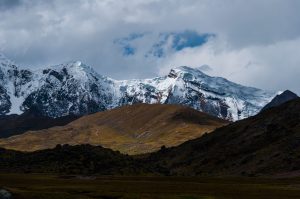
The Untamed Geography That Protects Choquequirao
For centuries, the isolation of Choquequirao helped preserve its mysteries.
Unlike many archaeological sites that became easily accessible, Choquequirao remained protected by geography itself.
The surrounding environment is a masterpiece of natural architecture:
- Towering mountain walls
- Deep canyon systems
- Rugged ridgelines
- Dense vegetation
- Remote valleys
These landscapes acted as natural guardians, allowing the site to remain hidden from much of the outside world for generations.
Even today, the sense of remoteness is one of the defining characteristics of the experience.

Where the Andes Tell Their Own Story
One of the most fascinating aspects of the Choquequirao Trek 6 Days is realizing that the landscape itself tells a story.
Long before the rise of the Inca Empire, geological forces shaped the mountains that dominate the horizon today.
The region serves as a living record of:
- Ancient tectonic activity
- Erosion over millions of years
- The formation of river systems
- The evolution of mountain ecosystems
Every cliff, valley, and ridge contributes to an environment that feels both ancient and timeless.

Why Choquequirao Rewards Curious Travelers
Some destinations reveal everything at first glance.
Choquequirao does not.
The more time travelers spend exploring the area, the more details begin to emerge.
Small architectural features.
Hidden terraces.
Unusual viewpoints.
Subtle engineering techniques.
Unexpected interactions between nature and archaeology.
This is a destination that rewards curiosity.
Visitors who take the time to look beyond the obvious often discover the most memorable aspects of the journey.

The Living Relationship Between Nature and Archaeology
Choquequirao is not a monument isolated from its environment.
It is part of a living landscape.
Trees, grasses, flowers, birds, and clouds interact with the archaeological complex every day.
This continuous relationship creates a unique atmosphere where the boundaries between history and nature seem to disappear.
Rather than feeling preserved behind barriers, Choquequirao feels alive.
It continues to evolve with the seasons, weather patterns, and natural rhythms of the Andes.

The Science Hidden Within the Mountains
One of the lesser-known aspects of the region is its ecological diversity.
The route surrounding Choquequirao passes through several environmental zones that support a remarkable variety of life.
Travelers may encounter:
- High-altitude grasslands
- Cloud forest ecosystems
- Native plant species
- Andean birdlife
- Unique mountain vegetation
This diversity transforms the trek into an outdoor classroom where geology, biology, and history intersect.
Why the Clouds Are Part of the Experience
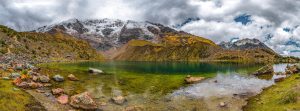
The clouds that drift through the mountains surrounding Choquequirao are more than a visual spectacle.
They are part of the identity of the region.
At different moments, they may:
- Reveal distant peaks
- Hide entire valleys
- Transform the atmosphere of the ruins
- Create dramatic photographic conditions
- Add mystery to the landscape
These constant changes ensure that every visit feels unique.
The mountains never present exactly the same face twice.

A Place Built Around Harmony Rather Than Dominance
One of the most impressive qualities of Inca architecture is its respect for the natural environment.
Rather than forcing the landscape to adapt, the builders of Choquequirao designed structures that worked with the contours of the mountains.
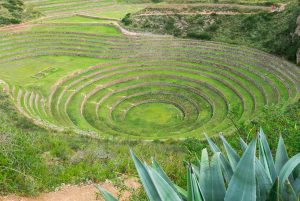
Terraces follow natural slopes.
Stairways connect different elevations.
Buildings complement the surrounding terrain.
This philosophy reflects a broader understanding of balance between human activity and nature.
It is a lesson that remains surprisingly relevant today.

The Forgotten Value of Solitude
Modern tourism often revolves around crowds, schedules, and constant activity.
The Choquequirao Trek 6 Days offers a different experience.
It provides space.
Space to think.
Space to observe.
Space to appreciate the landscape without interruption.
Many travelers discover that this solitude becomes one of the most meaningful aspects of the journey.
In the silence of the Andes, even simple moments take on greater significance.
The Ever-Changing Colors of the Andes
Throughout the day, the mountains surrounding Choquequirao undergo a remarkable transformation.
Morning light reveals cool blue tones.
Midday sunlight illuminates every detail of the landscape.
Evening brings golden hues that stretch across the valleys.
As sunset approaches, the mountains seem to glow with shades of orange, red, and purple.
These changing colors create an environment that feels dynamic and alive.
For photographers, artists, and nature enthusiasts, the scenery is a constant source of inspiration.

Why Choquequirao Continues to Fascinate the World
Choquequirao remains one of the most intriguing destinations in South America because it continues to raise questions.
How large was the settlement?
What role did it play within the Inca Empire?
What remains hidden beneath the vegetation?
What discoveries still await archaeologists?
This sense of mystery keeps Choquequirao relevant not only as a travel destination but also as a place of ongoing exploration and discovery.

More Than a Trek, More Than a Destination
The Choquequirao Trek 6 Days is ultimately about perspective.
It invites travelers to slow down, observe carefully, and appreciate a region where history, nature, and culture remain deeply connected.
Rather than focusing solely on arrival, the journey encourages exploration, reflection, and curiosity.
For those willing to venture beyond the familiar, Choquequirao offers something increasingly rare in modern travel:
A genuine sense of wonder.
The Forgotten Botanical World of Choquequirao
Most travelers focus on the archaeological site, yet few realize that the region surrounding Choquequirao contains an extraordinary variety of plant life.
The route passes through ecological transitions where dozens of native species coexist. Some have been used for centuries by Andean communities for food, medicine, construction, and traditional rituals.
For nature enthusiasts, the trek becomes an opportunity to observe how plant life adapts to dramatically different elevations within a relatively small geographic area.

The Ancient Supply Systems That Sustained Mountain Settlements
One of the greatest mysteries of the Inca world is logistics.
How were large populations supplied in such remote mountain environments?
The region around Choquequirao offers clues to this question. Archaeologists believe that extensive networks of pathways, storage facilities, and agricultural zones worked together to support life in the Andes.
Understanding these systems reveals a side of Inca civilization that goes far beyond temples and stone walls.

The Role of Fire in Ancient Andean Life
Long before electricity existed, fire shaped daily life throughout the Andes.
It provided warmth during cold nights, light for ceremonies, and a gathering point for families and communities.
Exploring Choquequirao encourages visitors to imagine how ancient inhabitants experienced these same mountains under completely different conditions, where every aspect of survival depended on knowledge of the natural environment.

How Weather Influenced the Inca World
Modern travelers often check weather forecasts with a phone.
The Incas relied on observation.
Cloud formations, seasonal changes, wind patterns, and environmental signals played an essential role in agriculture, travel, and ceremonial life.
The landscapes around Choquequirao offer a unique opportunity to understand how weather shaped decision-making across the Inca Empire.
The Language of Stone Construction
Choquequirao is not only an archaeological site—it is a record of communication.
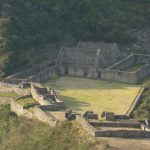
The placement of walls, staircases, terraces, and ceremonial spaces reveals how the Incas organized society and movement throughout the city.
Every structure served a purpose, and together they created a language of architecture that can still be interpreted centuries later.
Why Mountain Settlements Were Strategic Masterpieces
Choquequirao was not built randomly.
Its location provided visibility, protection, access to resources, and connection to surrounding regions.
Studying the geography of the area reveals how carefully the Incas selected sites capable of supporting both practical needs and ceremonial functions.
This strategic thinking remains one of the most impressive aspects of Andean engineering.
The Soundscape of the Andes
Most travel articles describe what visitors see.
Few discuss what they hear.
The region around Choquequirao possesses a unique acoustic environment shaped by geography and nature.
Wind moving through canyon walls, distant rivers, birds crossing the valleys, and changing weather conditions create a constantly evolving soundscape.
For many travelers, these sounds become one of the most memorable aspects of the journey.
The Ongoing Archaeological Future of Choquequirao
Unlike many famous archaeological destinations that have been extensively studied, Choquequirao continues to evolve as a site of active research.
New sectors are still being investigated, mapped, and interpreted.
This means visitors are not only exploring ancient history—they are witnessing a place that remains part of a continuing archaeological story.
Few destinations in Peru offer such a direct connection between the past and ongoing discovery.