
 +51-986888910 +51 972775776 |
- HOME
- TREK TO MACHU PICCHU
- Alternative route to Machu Picchu
- Full Photos
- Culture
- Nature
- Trek
- Transport
- Meals
- Tour guide
Description
Salkantay trek express 5 days, is one of the most popular alternative treks after the classic Inca trail to the Inca citadel of Machu Picchu, in this route you will see one of the most important apus of Cusco.
Day 1: Cusco – Soraypampa – Humantay Lake – Quiswarniyoc
Early departure from the hotel in Cusco towards Mollepata, with a brief stop for breakfast before continuing to Soraypampa, the starting point of the trek.
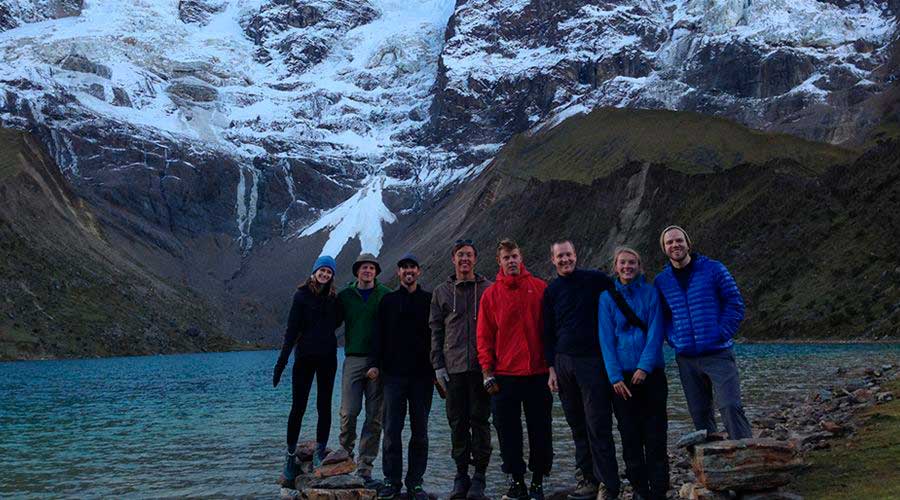
From here, the hike begins uphill toward Humantay Lake, a turquoise jewel nestled at the base of the glacier of the same name. After enjoying the breathtaking scenery and taking photos, the group descends to Quiswarniyoc Camp for lunch and a well-deserved rest.
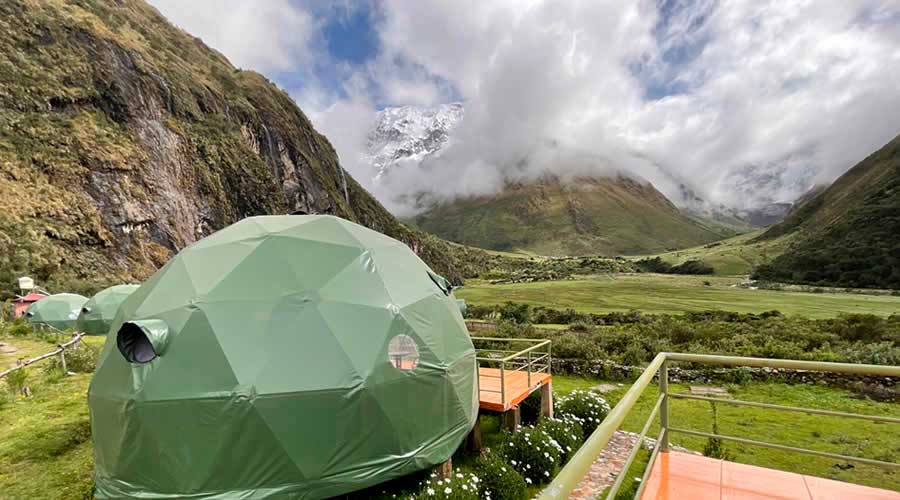
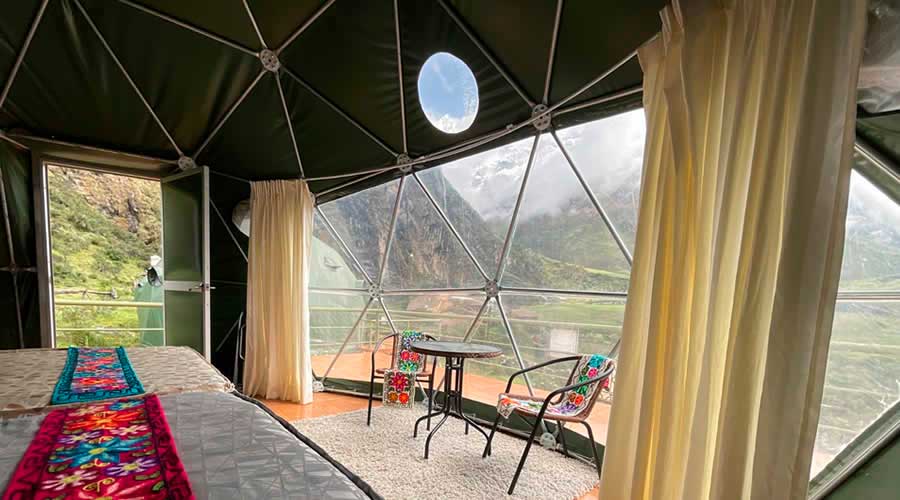
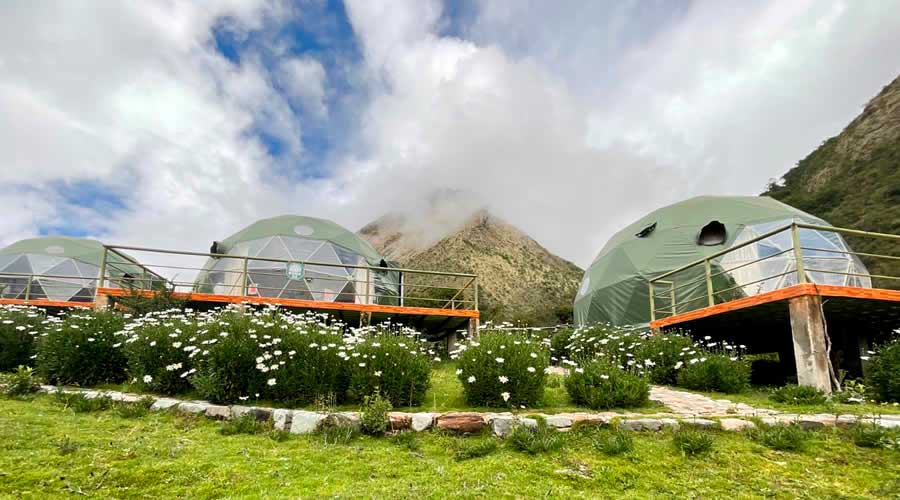
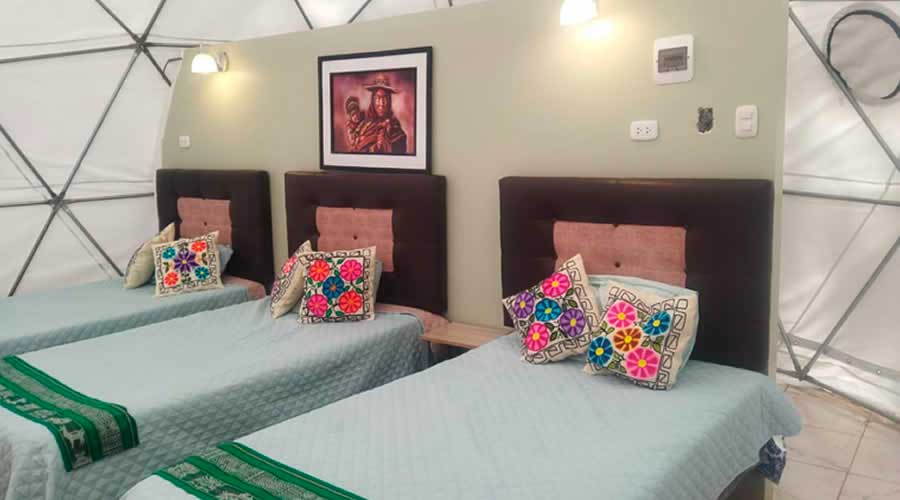
In the afternoon, a short hike leads to the Salkantay Viewpoint, a perfect spot to admire the sunset over the Andes. Overnight in eco-domes or mountain cabins, depending on availability and traveler preference.
Day 2: Quiswarniyoc – Salkantay Pass – Chaullay
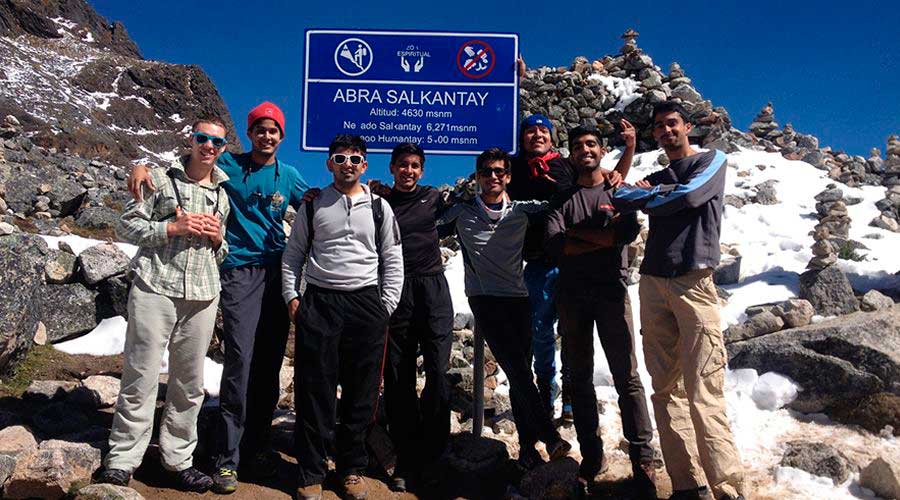
After breakfast, the trek continues toward the Salkantay Pass (4,650 m / 15,255 ft), the highest point of the route and one of the most impressive mountain passes in Cusco. From the summit, the panoramic views of Salkantay and Humantay snow peaks are truly majestic. The trail then descends toward Wayracmachay for lunch, and later to Chaullay, a campsite surrounded by lush vegetation in the cloud forest. Afternoon tea, dinner, and overnight stay in comfortable Andean huts.
Day 3: Chaullay – La Playa – Hot Springs – Santa Teresa
The day begins with a hike through the Santa Teresa Valley, a warm and fertile area with coffee, banana, and tropical fruit plantations. After approximately five hours, the group arrives at La Playa, where lunch is served.
A short drive then takes you to Santa Teresa, a mountain town famous for the Cocalmayo hot springs, perfect for relaxing after the day’s trek.
Dinner and overnight camping in a peaceful natural setting.
Day 4: Santa Teresa – Lucmabamba – Llactapata – Hidroelectrica – Aguas Calientes
After breakfast, the journey continues to Lucmabamba, the starting point of a three-hour hike along an ancient Inca trail leading to the archaeological site of Llactapata. From here, travelers enjoy a unique view of Machu Picchu framed by jungle and mountains.
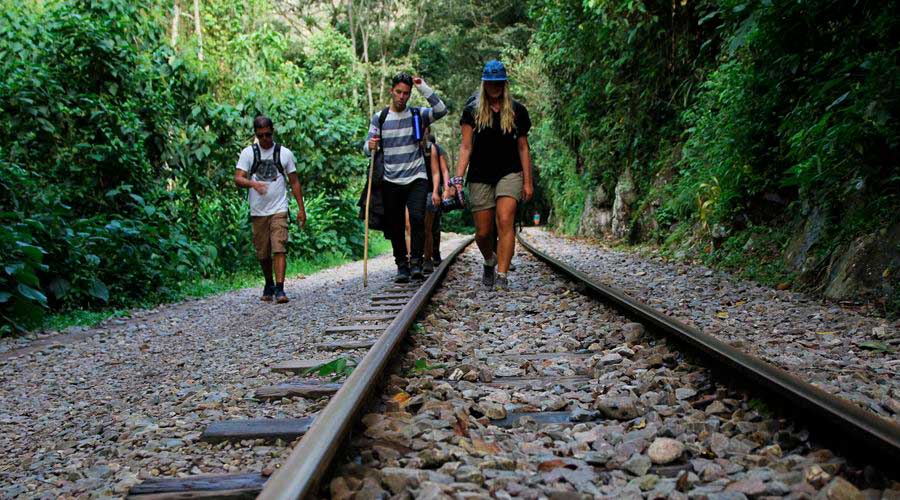
The trail then descends for about two hours to Hidroelectrica, where lunch is served before continuing with a scenic three-hour walk along the valley to Aguas Calientes.
Overnight stay in a comfortable tourist hotel with private bathroom, hot shower, and Wi-Fi. Dinner in a local restaurant and briefing for the next day’s Machu Picchu visit.
Day 5: Aguas Calientes – Machu Picchu – Cusco
Early departure to reach Machu Picchu, either by bus or on foot, depending on physical condition and preference.
Upon arrival, enjoy a two-hour guided tour of the main areas of the Inca citadel. The visit continues along the marked circuits, allowing travelers to appreciate panoramic viewpoints and the most iconic sectors of the sanctuary.
After the visit, return to Cusco by train or private transport — concluding an unforgettable adventure through mountains, history, and living nature.
WHAT IS INCLUDED:
- Professional bilingual tour guide specialized in high-mountain routes.
- Traditional Andean ceremony on the first day (offering to Mother Earth – Pachamama).
- Small groups, maximum of 10 travelers for a more personalized experience.
- Pick-up from your hotel in Cusco.
- Private transport from Cusco to Mollepata (starting point of the trek).
- Entrance ticket to Machu Picchu.
- Round-trip transportation
- Train from Aguas Calientes to Ollantaytambo (Expedition Service).
- Private transfer from Ollantaytambo back to Cusco.
- Meals: 4 breakfasts, 4 lunches, 4 afternoon snacks (tea, biscuits, popcorn) and 4 dinners prepared by our trekking chef. (Vegetarian, vegan or gluten-free options available on request).
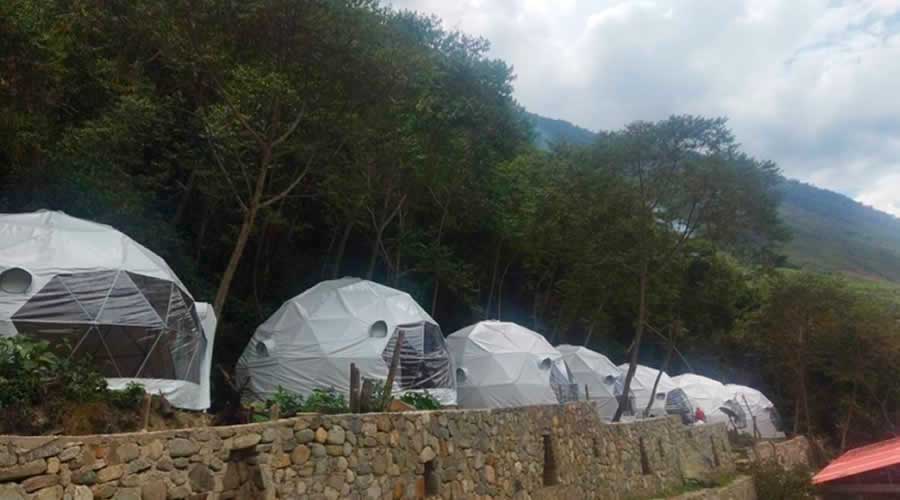
- Nights in eco-domes or mountain cabins during the trek (depending on availability and traveler preference).
- 1 night in a tourist hotel in Aguas Calientes (private room, hot shower, Wi-Fi).
- Full camping equipment: dining tent, kitchen tent, tables, chairs, and utensils.
- Four-season tent (three-person capacity, used by two travelers for more space).
- Thermarest-style sleeping mat (air mat).
- Pack animals and handlers to carry camping gear and up to 7 kg of personal belongings per traveler.
- First aid kit and emergency oxygen.
NOT INCLUDED:
Entrance ticket to Huayna Picchu or Machu Picchu Mountain (optional, subject to availability).Breakfast on the first day and lunch on the last day in Aguas Calientes.
Entry to Cocalmayo hot springs in Santa Teresa or Aguas Calientes.
Bus ticket from Aguas Calientes to Machu Picchu (optional – can be purchased locally).
Additional horse or mule for personal riding or extra luggage.
Personal expenses, snacks, beverages, and tips for the staff.
Travel insurance (highly recommended).
What you need to take
- Original passport (and valid ISIC student card if applicable).
- Travel insurance card.
- Waterproof hiking boots with good ankle support.
- Waterproof jacket or quality rain poncho.
- Warm clothing: fleece or down jacket, hat, and gloves.
- Lightwear: T-shirts, hiking pants, and optional shorts.
- Rain pants or waterproof overtrousers.
- Sun hat and swimsuit (for hot springs).
- Sunscreen (SPF 35+) and insect repellent (40% DEET).
- Reusable water bottle and water purification tablets (Micropur recommended).
- Sleeping bag (can be rented upon request).
- Personal medication and basic first aid items.
- Flashlight or headlamp with spare batteries.
- Camera or smartphone for photos.
- Toilet paper and personal hygiene items.
- Small amount of local currency (Peruvian soles) for tips and emergencies.
- Trekking poles with rubber tips (optional, available for rent). Optional items to take
- Trekking poles (available for rent).
- Sleeping bag (available for rent).
- Lightweight sandals for camp.
- Bandages, blister plasters, or additional first aid supplies.
SHARED GROUP SERVICE
02 Persons / $.490.00 PER PERSON.
03 Persons / $.480.00 PER PERSON.
04 Persons / $.460.00 PER PERSON.
05 Persons / $.440.00 PER PERSON.
06 Persons / $.420.00 PER PERSON.
08 to More Persons / $.400.00 PER PERSON.
About the Salkantay Trek 4 Days
The Salkantay Trail connects Cusco to the Citadel of Machu Picchu and runs approximately 89 km/55 miles through high Andean peaks, cloud forest, and steamy jungle. The hike starts at the village of Mollepata, a few miles from Cusco.
The Salkantay Peak – Savage Mountain – is located within the Vilcabamba mountain range, to the northwest of Cusco. Salkantay is one of the highest and most spectacular mountains in the Andes (6,271m/20,574ft).
National Geographic’s Adventure Travel Magazine named the Salkantay trek among the 25 Best Treks in the World.
How far do we walk each day?
The amount you walk each day varies. An average day is 5-8 hours, but on the summit, night combined with the following day you can walk between 8 and 11 hours. Have a look at the itinerary for a day-to-day account.
How difficult are the Salkantay Trek 4 Days?
For an average traveler or tourist, Salkantay is considered a challenging but certainly not impossible hike. Due to the physical demands, anyone who wishes to trek Salkantay should at least be moderately fit. Plus, all trekkers should spend at least 2 days in Cuzco before the trek, to get acclimatized. Being extremely fit does not grant any immunity from altitude sickness.
The entire hike is approximately 72 kilometers (approximately 45 miles), and this hiking takes place for 4 days and 3 nights. The remaining 1 day of the trek is spent at Machu Picchu. In general, Salkantay is considered to be slightly harder than the Inca Trail. Other trails, such as Choquequirao, are considered to be slightly harder than Salkantay.
What’s the most challenging section of the 4-Day Salkantay Trek?
The Salkantay Pass, at 14,760123 feet above sea level, is the most difficult section on the trail. Expect wind and cold temperatures. Some hikers might experience symptoms of altitude sickness. Symptoms will disappear as soon as you start your descent. Oxygen will be provided if needed. The Salkantay Pass, at approximately 4,650 meters above sea level is the most difficult section in the trail. These challenges are a result of several factors: the challenge of uphill climbing, cold winds, low temperatures in general, and the fact that you are trekking at a low-oxygen altitude.
How old do I have to Be?
Very young children may not enjoy this. They should be able to walk (without being carried) for 90 minutes without whining (the whining part applies to children of all ages.
Can I hike the Salkantay trek for 5 Days at any time?
Weather conditions during the rainy season make the Salkantay trek a risky decision. Therefore we cannot guarantee the availability of the Salkantay treks from mid-march to the end of February. If the weather is good, we will give the OK for a trek to start. If we think the safety of our porters and clients is being threatened, we will cancel the trek.
When is the best time to hike the Salkantay trek for 5 Days?
The dry season is the best time for this trek. In Cuzco, the dry season lasts from April to November, and the wet season is from December to March. June to September are the most popular months to do the trek, due to summer vacations in Europe and the US. It is generally thought that May and October offer the best weather conditions.
Can I make the trek by myself?
Yes, it is possible for a single traveler or a small group to hike the trek by themself, without guides or porters. However, the trail is not clearly marked at all points, which makes getting lost a high possibility. This is one of the biggest advantages of hiring a tour agency like Mystic Salkantay. Our guides know the route very well.
Can I do the trek with my kids?
Children under 14 years old are not allowed to do the trek, and children who are over 14 years old should be in good physical shape and used to hiking long distances.
Can I use my mobile/cell phone on the mountain?
You will get sporadic phone coverage during the trek and there will not be anywhere whilst trekking to charge your phone.
Will there be an international cell phone on the Salkantay Trek 5 Days?
One of the trek leaders will be carrying a satellite phone. However, this is for emergency use only.
What is the weather on the Salkantay Trekking 4 Days?
Weather is very varied on this trek, due to the fact that it winds its way through wildly different terrain at different altitudes. The only place where the weather is a serious concern is the Salkantay Pass and the nearby areas. Temperatures here, and at the nearby Soraypampa campsite, can fall below freezing. The other camps are much warmer, due to their proximity to the cloud forest.
How difficult is the Salkantay trek 4 Days?
On our tours the Salkantay trek is easy. It is not a difficult trek in the Cusco area, although it is a route of ascents and descents, it implies some physical effort, for that our guides will be there to assist you.
Is the Salkantay trek closed?
Due to weather conditions, the Salkantay Trek is closed from January 31 to March 31, outside this date range, the hike is open and has the best conditions to enjoy it.
Can you do the Salkantay trek without a guide?
If it is possible if you have previous knowledge of the route and you can carry all your equipment; it can take you more time according to your physical condition; the most advisable is to do it with our experienced guides, besides we have exclusive camps, and you will only carry what you need.
Which is better Inca Trail or Salkantay trail?
The ancient Inca Trail 4 Days, originally part of the Inca Road system interconnecting the Inca Empire. This classic trek hike through diverse scenery. The Salkantay Trek, on the other hand, is more strenuous and famous for its mountain scenery.